Category: Learn

  • How Do I Avoid Car Accidents This Spring?

    When buds pop out on trees, flowers push through the mud and snow and you start to sneeze from the newly arrived pollen, you know that spring has arrived. 

    But with spring comes a new set of road conditions to be careful of and new safety measures to keep on alert with. Keep reading to learn how to stay safe on the road as the snow melts and the weather starts to warm up. 

    Adapt to Changing Weather Conditions 

    They don’t say “April showers, May Flowers” for nothing. And if you want to be more accurate, you should add “March mud” to the beginning of the list. Melting snow combining with hotter weather means the ground softens, and the chance of mud, rain, slush and debris on the road increases. 

    On top of that, the variety of weather conditions in spring will keep you on your toes. Be on the lookout for snowfall, thunderstorms, rain showers and anything else you can imagine. Unusual weather can make for sudden road condition changes, so be mindful of your speed, drive to the road conditions, and take your time. 

    >> How Do I Drive Safe In Snowy Weather? 

    Make Sure Your Car Is Ready for the Spring 

    Before the winter began, you checked your car to make sure you wouldn’t break down in the snow. You considered new tires or even snow tires, put an emergency kit in the trunk and had your car checked out. With the weather changing again, another checkup is in order. 

    Keeping up with regular vehicle maintenance is always the best way to make sure your car is ready for any conditions. But also, be prepared as drivers may be bolder on the street with warmer conditions and pedestrians may be walking more frequently. 

    >> 5 Motor Vehicle Safety Hazards You Might Not Know About 

    Spring Driving Hazards To Look Out For 

    In the spring, the roads are just different than what you’ve been dealing with for the last few months. Look into the new season’s problems so you are prepared and putting yourself in the safest situation you can before getting behind the wheel. 

    1. What is the Safest Way to Avoid Potholes? 

    Avoiding potholes isn’t as simple as driving around them. Sometimes avoiding them could mean driving into the other lane, and sometimes driving in them could mean potentially damaging your vehicle. So how do you handle it? 

    First of all, when you check your car this spring, make sure you look over your tires and suspension, potholes are a lot less trouble with a car prepared for them. Secondly, slow down when you see a pothole coming. Lastly, check the safety of the situation before swerving around a pothole, if a car is in the other lane, it isn’t safe. Also, note that potholes can fill with water and look like puddles, so be careful driving through puddles as well. 

    2. How Do I Avoid Hydroplaning? 

    Wet pavement leads to 1.2 million car crashes per year. Hydroplaning, which is when the car’s tires lose traction with the road and glide on the water instead, is a major contributor to the accident total. Avoiding hydroplaning involves making sure you keep traction with the road. Here are a couple quick tips to make sure you do that: 

    A. Don’t put on cruise control when its wet or raining—make sure you are in charge of the car’s movement in these moments. 

    B. Slow down and leave room so you don’t slide into another vehicle. 

    C. Finally, handle a skid properly: drive in the direction the car wants to go, let off the gas and absolutely don’t slam on the breaks or make sudden turns, this will only further add to the car’s loss of traction. 

    3. Share the Road With Pedestrians and Cyclists 

    Warmer weather means more people are out and about. More people out and about means more pedestrians and cyclists. So when you’re driving this spring, remember to be vigilant about checking crosswalks, paying attention to sidewalks and road edges, giving bicyclers room and generally paying attention to the people you share the road with. 

    4. Avoid Animals on the Road 

    In the winter, animals hide away and hibernate to avoid the weather. But come spring, wildlife like deer return to the woods and potentially, the roads. Every year about 1.5 million car accidents happen with deer alone, so keeping a watchful eye is important. 

    The hours surrounding dawn and dusk are the most active, and animals are attracted to food, so don’t throw any out the window! Also be careful of areas where a stream or waterway runs under the road, animals may look to cross nearby. 

    What Other Spring Conditions Affect Your Driving? 

    So now your car is in good working order, you know how to safely drive in weather and water, you’re patient with pedestrians, bikers and animals. But spring brings some other, unforeseen issues as well. 

    Trees, grass and weeds are all growing again. But that means pollen. If you are affected by any springtime allergies, including pollen, you know that your eyes might be watering, you might sneeze and cough, and in general, you might not feel well. But that doesn’t affect your need to drive. So what do you need to do to stay safe from allergies behind the wheel? 

    Taking over-the-counter medications can help reduce symptoms, but make sure you read them and they won’t make you drowsy behind the wheel. Spring clean your car and change the air filters—making your car a better environment can only help you deal with the frustrations of allergy season. Finally, insulate your car by keeping your windows up—use the air conditioner instead of opening windows, and put on circulating air mode, you want less air from outside the car. 

    How Do I Drive in the Fog? 

    Precipitation and changing weather can lead to fog. Taking your time and not panicking go a long way to keeping you safe. Put on your headlights so other drivers can see you, but not high beams, which will cause a glare. If driving in thick fog, watch the lines on the center and side of the road to make sure you’re staying in your lane. 

      If the fog is impassible, turn on your hazard lights and pull off the road into a safe location. Wait for the conditions to improve before continuing. If there isn’t a safe place to go, pull off the side of the road and park. Keep your hazard lights on but turn off your headlights. Take your foot off the brake and put on your emergency brake so no one will accidentally run into you by following your brake lights.

    How Do I Drive With the Glare From the Sun? 

    With the change in daylight hours, the sun’s position is at different spots during morning and evening commutes. This can mean a nasty glare, and aside from slowing down and leaving room between cars, what can you do? 

    Try adjusting your commute time to see if there is a safer one that still works with your schedule. If that doesn’t do the trick, get some polarized sunglasses to wear while driving. The other way to make the view more tolerable is to clean your windshield. A glare on a dirty windshield is even worse. 

    >> 5 Steps To Take After Hitting Your Head 

    If Spring Driving Leads to an Accident, Keches Law is Here 

    No matter how much preparation you do, accidents still happen. It’s good to know you have a place to turn if you need an attorney after a springtime car crash

    Contact the skilled personal injury attorneys at Keches Law if you need a lawyer, we are ready to hear your story and provide the support and legal guidance you need. 
  • What Do I Do If I Get In a Car Accident?

    What Do I Do If I Get In a Car Accident?

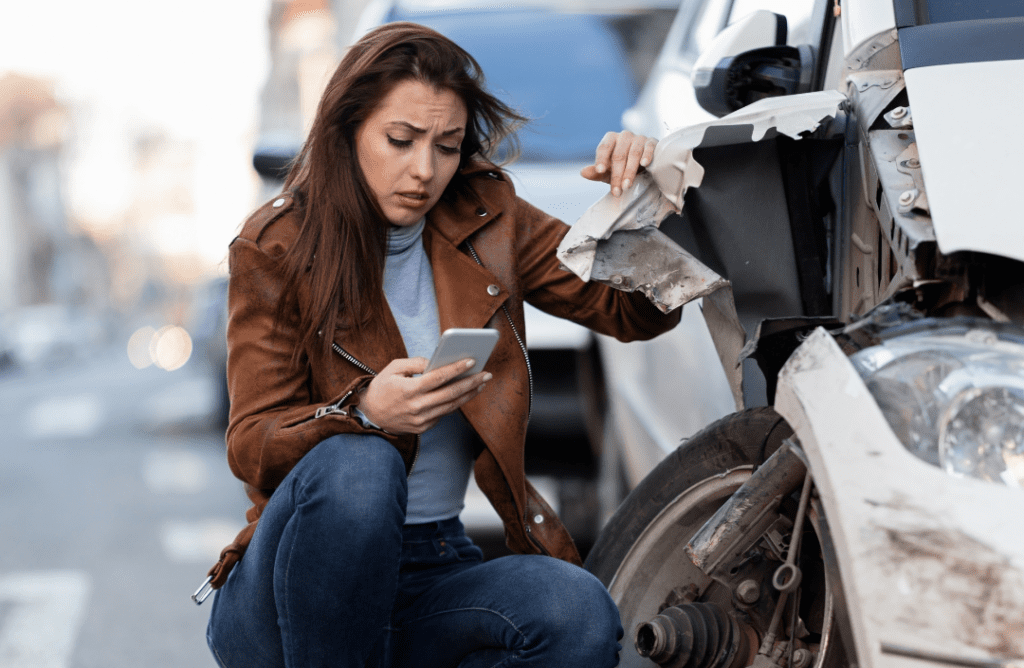
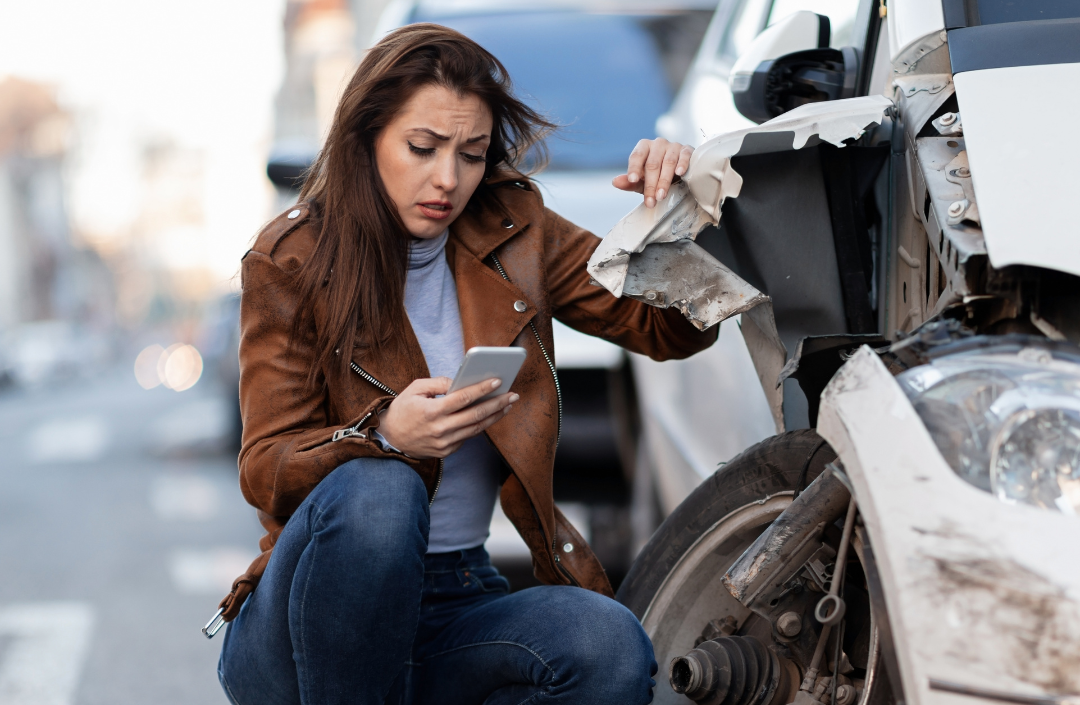
    Getting into a car accident, even a minor one, is a scary situation. In the moment you might be nervous or shocked, but you want to make sure you’re taking all the appropriate measures to stay safe and get the information you need.
    Read on to learn what to do right after you get into a car accident.

    >> The Sobering Truth About Driving While Intoxicated

    I Got In a Car Crash. What Do I Do?

    There is a lot to remember and the time right after a car crash is important. Make sure to calm yourself down, and think logically. Here is the order that you should address the situation.

    1. Should I Pull Over After a Car Accident?

    After getting into a car accident, as soon as you can, pull the car over to a safe, well-lit spot so you can check to see if you have been injured and to evaluate any damage to your car.

    2. Do I Need to Go to the Hospital?

    Remember, your well being is important. Take a moment to check on yourself and make sure you weren’t injured. If you feel in pain, the next step should be to call an ambulance to take you to the hospital so you can get checked out for potential car accident injury.

    >> 5 Steps to Take After Hitting Your Head

    3. Do I Need to Take Pictures After a Car Accident?

    Look at the scene of the accident and note all of the information you can. Take pictures of your car, the other driver’s car, the road, any damage, and anything else you can think of. Note down information that you think might be helpful for your personal injury attorney.

    4. Should I Exchange Licenses With the Other Driver?

    Determine whether you feel safe talking to the other driver. Use extreme caution. Road rage is real, and only talk to the other driver if you don’t feel nervous doing so.

    You and the driver of the other car shouldn’t talk through the accident, but you should exchange information, including driver’s license, contact information, car insurance, and registration. In your notes, be sure to write down what their license plate number is.

    What Do I Ask the Other Driver For After a Car Accident?

    • Driver’s License
    • Contact Information
    • Car Insurance Company
    • Car Insurance Policy Number
    • Registration
    • License Plate Number

    5. Do I Need to Call the Police After a Car Crash?

    Yes. Call the police department for the town or city where the crash occurred. Report the accident. If a police officer comes to the scene of the accident, record his or her name, badge number and contact information. If they don’t arrive, you can follow up later with the police department and request a copy of the accident report.

    >> Drive Safely on Icy and Snowy Roads

    Keches is Here to Help 

    The experienced personal injury attorneys at Keches Law Group are here to help if you get into a car accident and believe you have a case. Make sure to record as much information as you can, while thinking first about safety. 

    Contact us to talk about the next steps to take. We are here for you and can walk you through the process from start to finish. 

  • Is Your Surgeon Juggling Multiple Surgeries? 

    Is Your Surgeon Juggling Multiple Surgeries? 

    Choosing to undergo surgery is a serious decision made with all information available, and when a patient is suffering from an illness or trying to recover from an injury, it’s comforting to know that they have a reliable surgeon performing the procedure. 

    But due to the practice of concurrent surgery, the surgeon performing your surgery might not be who you expect. Keep reading to find out what concurrent surgeries are and what they mean for patients. Read on for the answers to questions like: 

    What Are Concurrent Surgeries? 

    Concurrent surgeries occur when one surgeon oversees two surgical procedures at the same time, and the critical parts overlap in timing, making it difficult for the surgeon to be present for some of and sometimes all of both. This is different from overlapping surgeries, where the critical parts are staggered, allowing the surgeon to perform both. 

    Why Do Hospitals Schedule Concurrent Surgeries?

    Not all hospitals agree on the practice, but concurrent surgeries are performed at notable hospitals across the country, including Massachusetts General Hospital.

    The Boston Globe’s Spotlight Team reported that hospitals allowing double-booking see it as an efficient use of top specialists, reducing wasted operating room time. MGH analyzed orthopedic cases from 2013-2014, finding no significant difference in complication rates between overlapping and non-overlapping cases.

    But some MGH employees, including anesthesiologists, reported numerous problems with concurrent surgeries, raising concerns about patient care and medical practice from 2005 to 2015.

    What Are the Potential Problems with Concurrent Surgeries?

    Concurrent surgeries pose ethical concerns as attending surgeons may be stretched too thin, which can affect patient care.

    While there are scenarios where concurrent surgical procedures may be necessary—such as an emergency situation requiring more procedures than available surgeons—this is not often the case. But hospitals schedule concurrent surgeries during elective procedures to maximize efficiency.

    Regardless of experience or skill, your doctor can only be in one place at a time. Concurrent surgeries mean the attending surgeon’s attention is divided, which can lead to delays in addressing complications, increased time under anesthesia, and the involvement of less qualified surgeons handling critical aspects of a procedure.

    If My Surgeon Isn’t Performing the Whole Operation, Who Is? 

    It’s common to assume the attending surgeon will be performing the entire surgical procedure, but some of these procedures take hours. It’s logical that surgical residents, essentially trainees, might perform the simpler, more routine aspects of procedures under supervision, while the attending surgeons are responsible for the important, more difficult aspects of each surgery. 

    For example, it is common for residents to “close up the surgical site” while a surgeon explains how the surgery went to the patient’s family. 

    While surgical residents are trained and capable of performing the aspects of procedures that they are expected to, if an attending surgeon is performing another surgery in another room, the resident is now left to operate on a patient without supervision. The patient likely isn’t expecting their procedure to be done by anyone besides the surgeon they spoke with. 

    What Do Lawyers Recommend Regarding Concurrent Surgeries?

    Attorneys Julie Jyang and Jeff Catalano know that a lot is expected of hospitals, and when surgery is needed, patients and their families go through potentially life altering decisions. The transparency of informing patients about concurrent surgeries raises ethical questions, especially when buried in fine print.

    What Should I Ask My Doctor Before Scheduling Surgery? 

    Understanding that concurrent surgeries have been performed at hospitals throughout the region, here are five questions Jyang and Catalano suggest asking before scheduling a procedure. 

    1. How will a concurrent surgery affect my care?
    2. What can/will you (the surgeon) do to ensure my safety during a concurrent surgery?
    3. How does the medical team work together during a concurrent surgery?
    4. What is the plan if something goes wrong?
    5. Can I meet with the members of the surgical team who will be involved with my surgery? Can you explain their roles/involvement?

    >> Keches Law, Jeff Catalano Settle Medical Malpractice Case for $1.45 Million

    What Are My Options if I’ve Already Consented to a Concurrent Surgery? 

    If you’ve asked the questions and found out that your surgery is happening concurrently with another procedure, what options do you have as a patient? 

    “Speak up! Schedule a meeting with the surgeon or provider about your concerns or questions about the practice,” Jyang says. “Get clear communication and clear answers to your satisfaction. Be as educated as possible on the practice. Know what your options are – are there alternatives where you can avoid concurrent surgeries? Can you get a second opinion?”

    Was My Surgical Complication Due to Concurrent Surgery? 

    If you suffered complications during surgery, you may want to review your surgical records and have a conversation with your healthcare provider to find out if your procedure was performed concurrently.  

    Transparency is important in establishing trust between a medical facility and its patients. Determining if your surgeon was focused on you during your procedure or if their attention was divided without your knowledge is key to establishing whether your complications could’ve been avoided. 

    The American College of Surgeons describes informed consent as an ethical standard meant to enhance the surgeon/patient relationship. All information should be presented accurately and compassionately. 

    What Details Should Medical Providers Disclose Before a Procedure?

    • The nature of the illness and what would happen without treatment 
    • Potential operation details and risks 
    • Common complications and benefits of the operation 
    • Alternative treatment options, including avoiding surgery 
    • The different medical providers who will participate in the surgery and their roles, which is especially relevant for concurrent surgeries 

    >> Keches Law Attorneys Offer Advice to Aspiring Lawyers, Law Students

    Contact Keches Law for Help After Your Surgical Complications 

    Keches Law Group supports patients affected by concurrent surgeries. If you had a procedure done with unnecessary complications you believe are due to concurrent surgery, contact our skilled medical malpractice attorneys for help. 

    We can help you determine if you were the victim of concurrent surgery and what the next steps you should take are. Contact us today. 

  • Celebrating Black History: Trailblazers in the Legal Industry 

    Celebrating Black History: Trailblazers in the Legal Industry 

    A timeline of historical African Americans from 1805-Modern Day.

    Certain names stand as symbols of progress in the legal field. 

    Let’s celebrate the legacy of African American legal professionals whose contributions to legal history have paved the way for firms like ours to champion the rights of our clients. Learn the answers to questions like: 

    Who was Macon Bolling Allen?

    In 1845, Macon Bolling Allen became the first Black person admitted to the bar in Massachusetts. However, it wasn’t even the first place he was admitted to practice law. Allen became the first lawyer in United States History a year earlier when he passed the bar in Maine. 

    After befriending General Samuel Fessenden, who was an anti-slavery leader of the time, Allen became an apprentice and law clerk. Eventually, Fessenden told the Portland District Court he thought Allen should be able to practice as a lawyer. The idea was refused because Allen didn’t meet citizenship requirements. 

    However, Maine law states that anyone “of good moral character” could be admitted to the bar. Passing the bar made Allen a citizen of Maine and he was granted his license to practice law. 

    A year after passing the Maine bar, Allen did the same in Massachusetts and continued his trailblazing ways by opening the first African American owned law firm in United States history alongside Robert Morris. 

    In 1847, Allen continued his ascent when he was appointed a justice of the peace by the governor of Massachusetts. He is considered by some to be the first Black judge in the history of the United States.  

    In 1868, Allen moved to Charleston, South Carolina and starting the state’s first African American law firm alongside Robert Brown Elliot and William J Whipper. 

    >> Keches Law Attorneys Offer Advice to New Lawyers, Law Students 

    Who was Blanche E. Braxton? 

    It took another 78 years before a Black woman became the first lawyer in Massachusetts state history. Blanche E. Braxton was admitted to the Massachusetts bar in 1923, becoming the first Black woman to do so. 

    However, she wasn’t done. In 1933, Braxton was the first Black woman admitted to practice in the US District Court in Massachusetts. 

    Who was Charlotte E. Ray?  

    In 1872, Charlotte E. Ray graduated from Howard University Law School and passed the bar exam becoming the first Black female lawyer in the United States. At the time, women weren’t allowed to take the bar exam in the district of Columbia, so she applied as C.E. Ray.  

    Because of this, she not only became the first Black female lawyer in the country, but also the first practicing female attorney in Washington D.C. 

    Who was George Lewis Ruffin? 

    Before being accepted at Harvard Law School in 1869, George Lewis Ruffin worked as a barber. But after getting into and eventually becoming the first Black person to graduate from Harvard Law, Ruffin would pass the bar exam, and work as a lawyer in Massachusetts for several years. 

    In 1883, Ruffin was appointed as a judge on the Charleston Municipal Court, making him the first Black judge in Massachusetts history

    In addition, in 1876, Ruffin was elected to the Boston Common Council, the first Black person to win a seat in state history. 

    Who is Margaret Burnham? 

    After receiving her degree from the University of Pennsylvania Law School, Margaret Burnham worked as a staff attorney for the NAACP Legal Defense & Educational Fund, in New York City from 1969 to 1972. From there, she moved to Boston and got her Massachusetts license to practice. 

    After working as a public defender and then establishing the law firm of Burnham, Stern & Shapiro she became the first Black woman to be named a judge in Massachusetts when Governor Michael Dukakis appointed her as an associate justice to the Boston Municipal Court Bench. 

    Who was Wentworth Cheswell? 

    Some of the history of early Black legal professionals in Massachusetts and across the country can be hard to determine specifically. It’s often difficult for Black Americans to track their ancestry prior to the 1870 census because a lot of information and history is recorded poorly or lost, especially for those whose ancestors were enslaved. 

    For example, it is believed that Wentworth Cheswell, who was one of the first Black people elected to public office in United States history when he was elected Constable of Newmarket, New Hampshire, in 1768, was the first Black judge in US history. 

    Cheswell, who rode with Paul Revere before the Revolutionary War, was appointed a justice of the peace in 1805. However, Macon Bolling Allen is sometimes credited with being the first when he was appointed in 1847.  

    One fact we do know for sure is that in 1937, William Henry Hastie Jr. was the first Black person appointed as a Federal District Court Judge in US History when he was named to the position for the federal district court of the Virgin Islands by President Franklin D. Roosevelt. 

    The first female Black federal judge was Constance Baker Motley, appointed to the U.S. District Court for the Southern District of New York by Lyndon B. Johnson in 1966.

    Before becoming a judge, Motely was already the first black female attorney to argue a case before the U.S. Supreme Court.

    In 2024, The United States Postal Service featured Motely as the 47th honoree in the Black Heritage stamp series due to her work as a civil rights pioneer and judiciary trailblazer,

    >> Attorneys Settle Case for $1.25 Million for Client With Head Injury 

    Who was Jane Bolin? 

    The first Black female judge in the United States wouldn’t be appointed until 1939, when Jane Bolin was named to the New York City Domestic Relations Court by Mayor Fiorello La Guardia in 1939. 

    Bolin graduated from Wellesley University for her undergraduate degree in 1928 and was then one of three women in her Yale class. When she graduated with her Law Degree in 1931, she was the first Black woman to ever graduate from Yale Law School

    After Yale, Bolin continued shattering glass ceilings when she became the first Black woman to work as the New York City assistant corporate counsel before being sworn in as a judge in 1939. 

    Who was Thurgood Marshall? 

    Thurgood Marshall was one of the most influential and important legal figures in the history of the United States. As an attorney in the 1940s and 1950s, Marshall argued 32 cases against the U.S. Supreme Court, winning 29 of them. Among many notable case results, Marshall won the Brown vs. Board of Education case that ended racial segregation in United States Schools. 

    In 1961, President John F. Kennedy appointed Marshall to the US Court of Appeals. In 1965, he was named US Solicitor General by President Lyndon B. Johnson. In 1967, Johnson appointed Marshall as the first Black Associate Justice of the U.S. Supreme Court. He would serve until 1991. 

    >> Catches for College Initiative Adds $35K to Education Fund 

    Who is Ketanji Brown-Jackson? 

    In 2022, Ketanji Brown-Jackson was appointed the first Black female Associate Justice of the U.S. Supreme Court by President Joe Biden in 2022. Prior to her nomination, Jackson served on the US District Court for the District of Columbia from 2013-2021 before Biden appointed her to the US Court of Appeals for the District of Columbia in 2021. 

    After she graduated from Harvard Law School, Jackson served as a public defender, on the US Sentencing Commission and as a clerk for Associate U.S. Supreme Court Justice Stephen G. Breyer. 

    Appreciating History  

    It is important to reflect upon and honor our history, and Keches Law Group wouldn’t be in the position to help our clients the way we are without these groundbreaking individuals. 

    Their courage and perseverance paved the way for a more inclusive and just legal system and Keches Law aims to emulate their dedication to client advocacy and pursuit of justice. 

  • Avoid Personal Injury with these 6 Cold Weather Safety Tips 

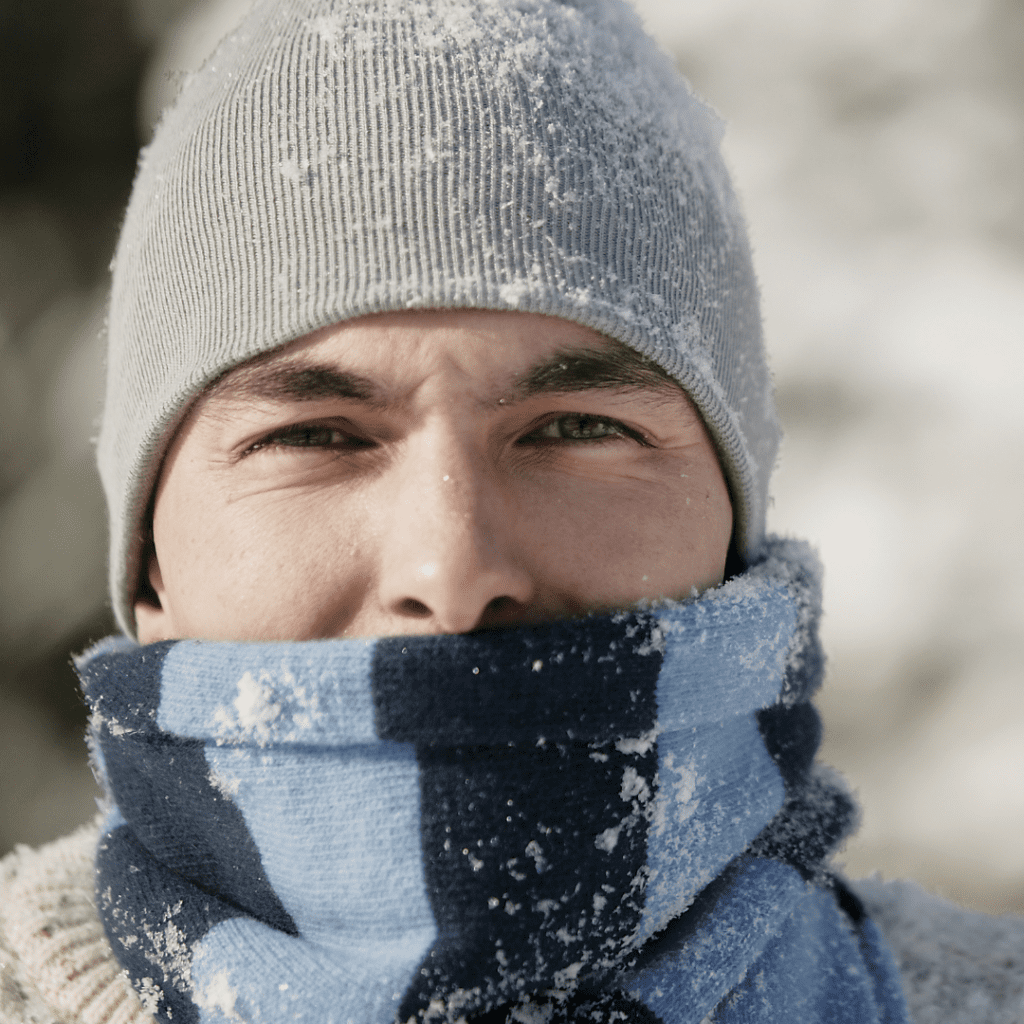
    A man wears a scarf and hat with some snow on them.

    You put on the jacket when you go outside, you turn the heat up in the house and you warm up the car before you get in, but do you think about how to keep yourself safe from the cold the rest of the time? 

    Winter weather can lead to lots of common personal injuries. With that in mind, here are 5 tips to help you enjoy your day safely whether its cold enough outside to warrant a jacket, frigid enough to make you think about gloves, mittens and a scarf. 

    1. Dressing Warmly Can Prevent Cold Weather Injuries. 

    In the fall and the summer heat has died down, we start putting on more sweaters and sweatshirts and then eventually switch to a jacket. But when it’s truly cold outside, layering is important to be able to adjust to different temperatures. 

    Remember it’s easier to take a layer off than to add one when you’re away from home. So consider an extra shirt or sweater in addition to a nice warm winter coat. 

    And while you’re at it—keep your hands, feet and ears covered. They are more immediately susceptible to frostbite than the rest of your body. 

    >> Outdoor Winter Worker Checklist 

    2. Staying Dry Really Matters. 

    Hypothermia occurs when your body drops below 95 degrees. When your body’s temperature drops, it uses stored energy to try to warm up and hypothermia takes place when all of that stored energy has run out and your body can’t keep itself warm anymore. 

    When you get wet, your body loses heat quickly – and when it’s cold out your chance of hypothermia only increases. So when it’s cold, make sure you stay dry and warm. 

    In addition, hydration improves circulation, which helps keep you warm. So while you don’t want to get wet, you do want to make sure you’re drinking plenty of fluids. 

    Hands rubbing against the cold.

    3. Don’t Ignore Frostbite or Hypothermia Symptoms! 

    Out in the winter weather, it’s easy to dismiss the signs of coming personal injuries like hypothermia or frostbite as “just being cold.” Don’t do it! 

    Numbness, shivering, slurred speech and drowsiness are all signs of hypothermia. Cold prickling or numb skin; or red, white, bluish-white, grayish-yellow, purplish, brown or ashen patches on your skin are signs of frostbite. If you start experiencing these symptoms—take action! Find a warm place to go and if necessary, seek medical assistance. 

    >> Prepare Before the Snowstorm Strikes! 

    4. Focus on Traction to Prevent Slip and Fall on Ice this Winter. 

    When ice and snow are on the ground, or even if it is cold enough to form black ice, slip and fall injuries are a major concern. Make sure to wear footwear with good traction and be careful when walking to avoid falls. 

    A woman in a brown jacket and jeans and wearing a white knit hat slips on ice on the stairs.

    5. Safe Heating Practices are Important. 

    There’s nothing quite like getting cozy in front of a fire in the fireplace. But if you aren’t careful, you might be looking at a major potential burn or fire problem. 

    Pay close attention to fireplaces, space heaters and any other heating devices you might have and turn them off when they aren’t in use. Also, make sure not to leave flammable materials near them. 

    >> Winter Fire Safety Tips for Your Home 

    6. Safety First With Winter Sports and Activities. 

    Winter sports like ice hockey, skiing, or snowboarding come with a lot of potential for injury. But even less obviously risky activities like sledding, snowshoeing and skating come with significant chances of injury, so be sure to use caution when enjoying the cold weather.  

    Make sure you’re properly equipped with all the right safety gear and equipment for any winter activity. Wearing warm clothes and protective equipment isn’t enough; stay aware of your surroundings, know your limits, and avoid unnecessary risks to prevent injuries. 

    Injured? Keches Law Can Help You With Any Cold Weather Injury. 

    Winter weather personal injuries are always a possibility. If you find yourself facing personal injury, remember to reach out to Keches Law. 

    If you or someone you know has suffered an injury, explore our Personal Injury and Workers’ Compensation services. Contact Keches Law to discuss your case.  

  • 6 Things Your Pet Needs to Stay Safe This Winter 

    6 Things Your Pet Needs to Stay Safe This Winter 

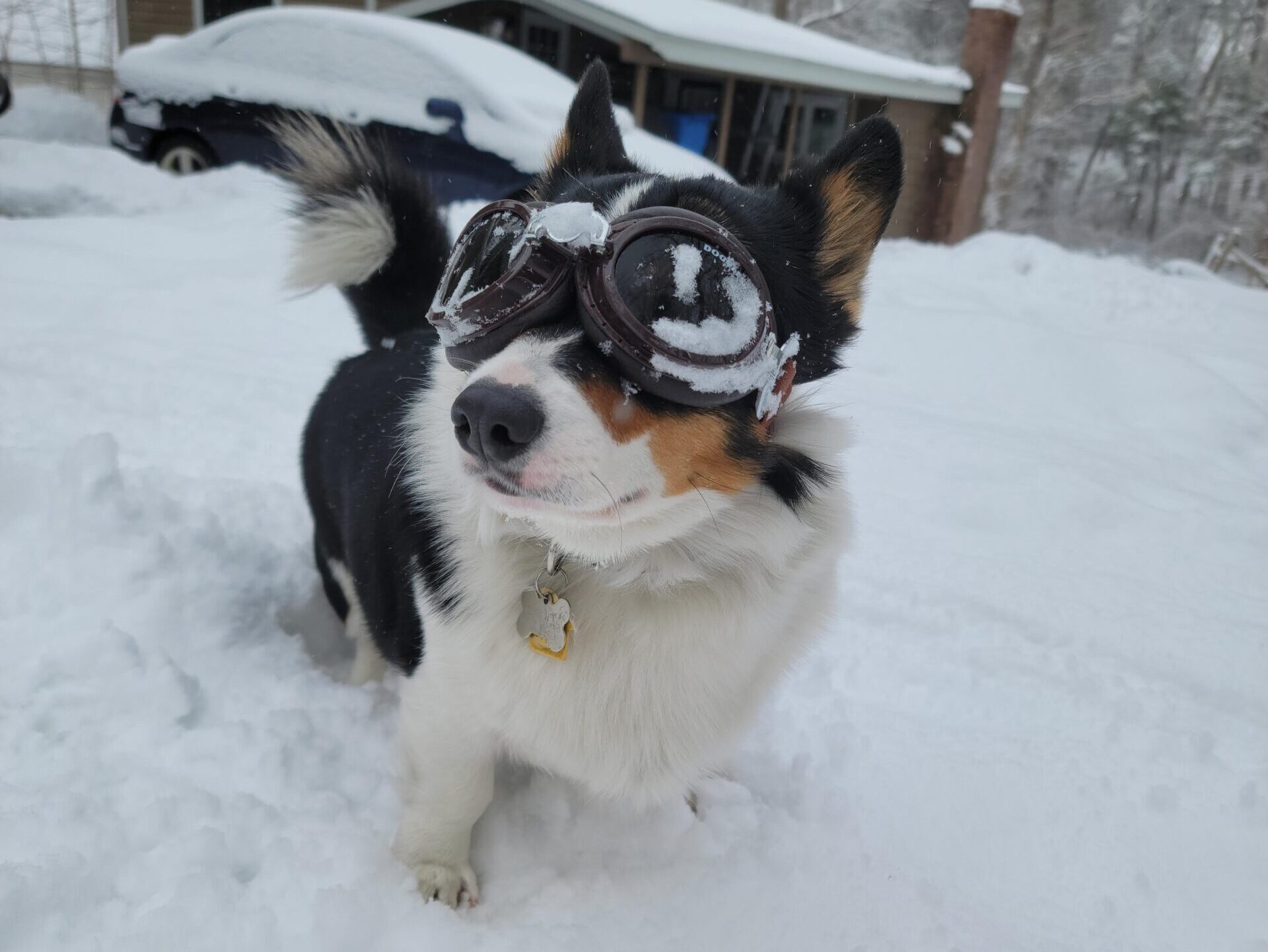
    Pembroke Welsh Corgi dog in snow wearing canine goggles

    The winter weather in New England can see the temperatures drop well below freezing, with the potential to get close to 0°F. But that doesn’t stop pets from needing exercise. 

    When it’s warm out, your pet might want to be outside for hours, but in the cold it isn’t quite the same. You’ll want to keep your pets inside more often when it gets cold, but you can’t stay inside all winter.

    With those thoughts in mind, here are some other winter pet safety tips to consider so your pet is happy and healthy this winter.

    1. A Wellness Exam with a Veterinarian

    Make sure you schedule your pet’s wellness exam at the vet to know if you need to look out for things like arthritis and if the outdoors in the winter or cold will be too much for them. You don’t want older pets slipping and falling on snow or ice. 

    If your pet has diabetes, heart disease, kidney disease or a hormonal imbalance, it may have trouble regulating body temperature so be careful! This is also true for very young or very old pets. 

    2. An Owner Who Understands Their Breed-Specific Needs 

    Does your pet look cold? Not every type of animal feels the same way about the cold. A dog and a cat won’t respond the same. And if you break it down further, every breed of dog or even specific dog doesn’t feel the same way outside in the cold. In fact, some dogs have short coats and have trouble out in the winter, if that’s the case it might be time for a sweater, or dog coat, just to make sure it stays dry. If your dog’s pads are sensitive, then booties for their feet are a good way to keep them warm and healthy. 

    Also, it’s okay to shorten the length of walks and to be more careful, avoiding icy patches and snow. When they come in from their walks, make sure to wipe off their legs and stomach so they don’t ingest salt, antifreeze, or any other chemical. 

    >> Keeping Your Pets Safe at Home 

    3. Extra Food and Water During Colder Months 

    To avoid getting cold, your pet will likely spend their time outside using more energy than usual. So, during cold days and months, make sure your pet is eating enough. A little more food means a little more energy, and a full water bowl means a hydrated pup or cat. 

    4. Paw Protection

    Paw pads are highly susceptible to damage from the cold weather, so make sure you regularly check them for signs of cracking or bleeding. Ice can also build up between a dog’s toes, so watch for a sudden change in the way they’re walking. In addition, unless it is a pet-safe option, pet paw problems can be aggravated by the chemicals in the snow and ice melt. If you want to take action, trim the hair between their toes to limit the ice buildup.  

    For additional protection, consider using paw wax or booties to help keep your pet’s paws from safe this winter. 

    5. Identification for Emergencies 

    Dogs can lose familiar scents like their owners and home in the snow and because of it they can get lost. Make sure they are wearing their ID tags for this reason. Also be sure to keep them away from frozen ice on a body of water, they can fall through! 

    Another good way to keep track of your pets outside is to microchip them. Having a microchip implanted and keeping up to date information on the registry database provides a way your dog could be returned to you even if it lost its collar. 

    If you want another option, GPS collars help you track your pet. Brands like Fi, Whistle, Fitbark, and Garmin make versions that can help track down a missing dog or cat. 

    6. Access to Warm Shelter 

    A black and white dog stands in the snow.

    Obviously keeping your pet inside means they will stay warm, but what about those instances where they aren’t in the house or just briefly out and about with you? 

    Never lock your pet in a car during very cold weather. The car can hold in the cold and create freezing conditions. 

    The American Veterinary Medical Association recommends pets not be kept outside for long periods of time. Generally, long-haired dogs like Siberian Huskies wouldn’t want to be in too warm of a house, and a short haired dog like a Chihuahua wouldn’t want to spend a New England winter outside. 

    Some breeds may actually prefer being outside. If you have a livestock guard dog like an Anatolian Shepherd, Great Pyrenees or Komodor, they may want to spend their time outside and only want to visit inside instead of the other way around. Long-furred sled dogs and some sheep-herding dogs can stay outside as well.  

    >> Pet Safety Tips for the Summer as Well 

    In this specific situation, make sure your dog has a doghouse they can spend the night in that is dry, faces away from the wind to prevent drafts, and has a waterproof flap covering the entrance. Also make sure you change their water regularly, so it doesn’t freeze. Consider using a pet-safe, heated water bowl. Keep in mind that dogs are very social animals, just because they are outside doesn’t mean they don’t require lots of attention! 

    Watch Out For Yourself in the Cold as Well! 

    Pets are a big part of your life, and during the cold weather it is important to make sure they are happy and healthy. But don’t let your care for them stop you from keeping yourself safe too! 

    Here are some resources to check out to make sure you can enjoy the cold weather months safely as well. 

  • Stay Safe Driving in the Snow and Ice This Winter 

    Stay Safe Driving in the Snow and Ice This Winter 

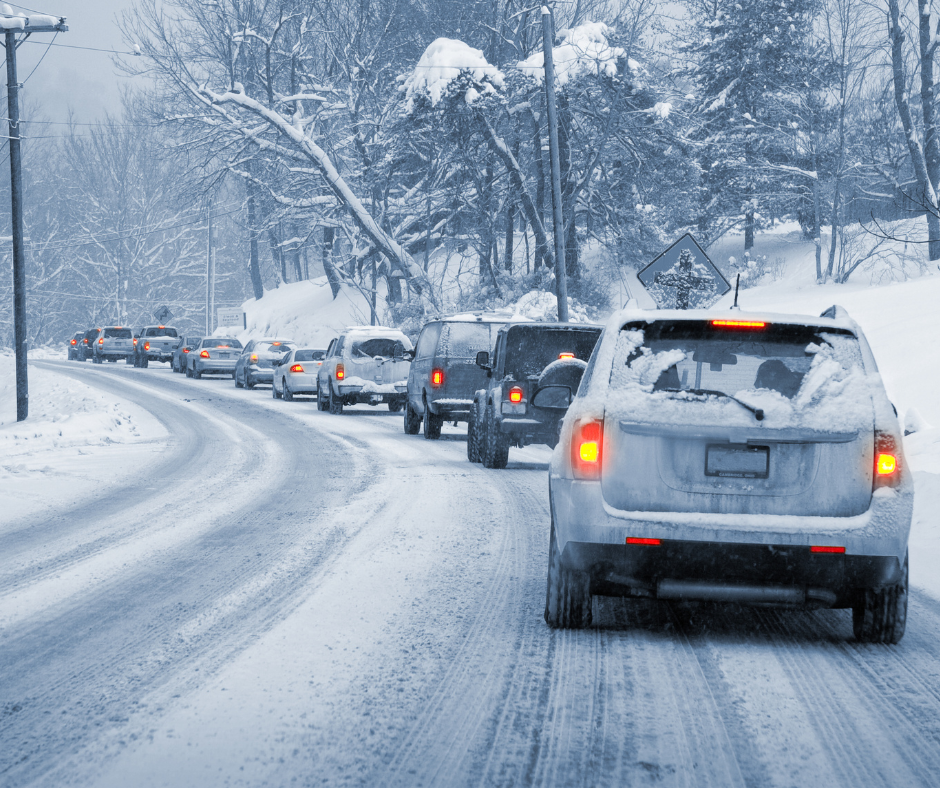
    Cars in traffic during snowy weather conditions.

    White powdery snow serenely falling is a beautiful sight to take in when you’re in your cozy living room in front of a roaring fire, but it’s a bit less exciting to see it falling when you’re halfway to work and know the commute home will include driving in wintery conditions. 

    When the weather gets colder, you need to be ready for different road conditions – snow, ice, slush, rain, and more. Read on to learn how to put yourself in a better position to be safe from winter conditions—along with your passengers and anyone you’re sharing the road with. 

    Prepare Your Vehicle for Driving in the Winter 

    A car needs to be maintained throughout the year, but winter conditions put extra pressure on your car and regular maintenance can greatly reduce the safety risks of driving in cold weather. So when you feel that first biting cold, set up a schedule for how to maintain your vehicle. 

    Check Your Tires. For your tires to be effective, you need enough tread on your tires and good air pressure. The tread on your tires needs to be able to grip the road. Snow tires grip the road better than your average alternative. Although snow tires are obviously a good option, start out with the basics. Your tires should have proper tread. Also, cold weather makes your tires lose air pressure, so check that they are properly inflated. Throughout the winter, make continuous checks and replace them if they aren’t in good shape. 

    Check Your Battery. When batteries get cold, they don’t work as well. Electric cars can drive fewer miles and need more charging time during the winter. But ordinary car batteries aren’t immune. Check your battery proactively to avoid needing roadside help during bad winter conditions. 

    Inspect the Basics. Brakes, lights and wipers are all essential to making sure your car is running smoothly. When you are facing an icy or snow-packed road, you want them all working. Keep an eye on your essentials all winter. 

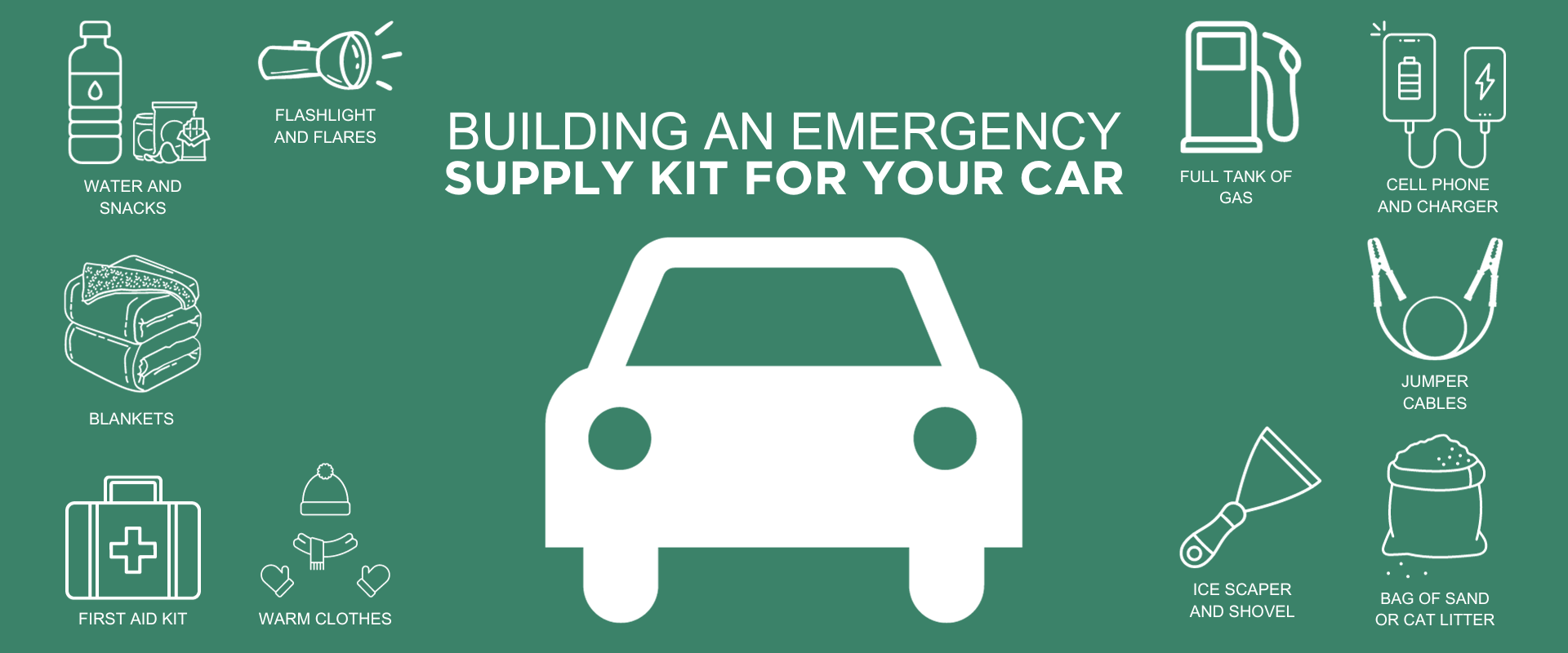
    Make a Winter Emergency Vehicle Kit. Snow or ice on the ground increases the possibility of an emergency. Pack a kit and put it in your car with extra food and water, warm clothing, a flashlight, window scraper, blankets, medications and anything else you think would be appropriate. Be prepared for everything—some other options include sand, kitty litter or salt to help with traction, cell phone chargers, blankets and a first-aid kit. 

    Master Winter Driving Techniques 

    1. Inspect Your Car Before You Leave. Clear your car’s tailpipe, scrape windows, warm up the car, make sure there isn’t ice blocking your lights, and don’t leave snow on the roof. Before you can drive safely, you need to make sure the car is safe to drive. 
    1. Slow Down. It might seem obvious, but sometimes people speed up when they are nervous on the road. Even with snow falling or ice and slush on the ground, keep calm, and drive your car slower. 
    1. Keep Your Distance From Other Cars. If there’s ice or snow on the road, it will take more time to stop than usual. Make sure you brake earlier to allow extra room to stop. 
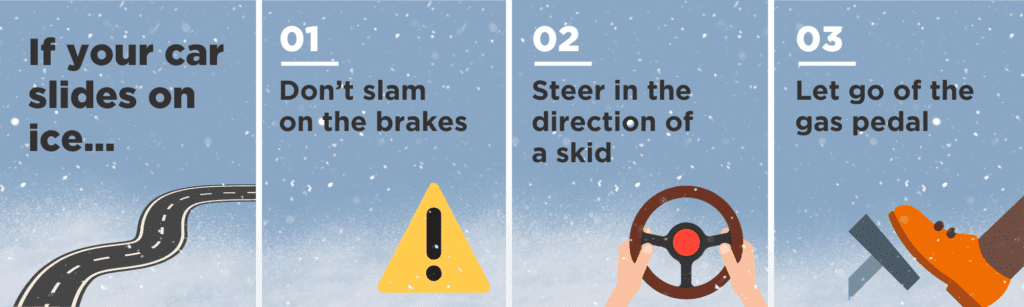
    1. Think Gentle, Not Abrupt. Slamming on the brakes, hitting the gas, or swerving can lead to the car losing traction, and you may lose control of your vehicle. Be deliberate and patient with your maneuvers. 
    1. Steer in the Direction of the Skid. When your wheels regain traction, you don’t want to have to overcorrect and cause additional sliding. If you steer into the skid you will have an easier time staying in your lane. 
    1. Don’t Use Cruise Control. When road conditions are bad, you need to be in control every second so you can make a quick decision and can feel what speed is appropriate. 
    1. Keep Going Up a Hill. If possible, continue driving up a hill, don’t stop. You might get stuck where you are or slide backwards if you stop. 
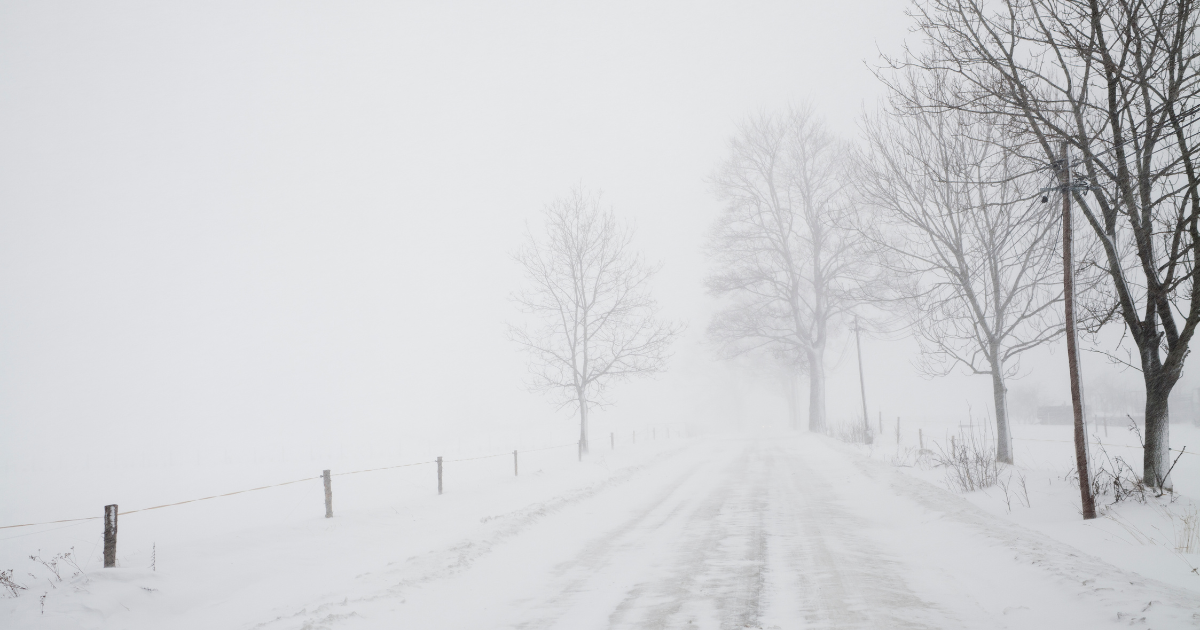
    1. Know When to Sit Out. If the road conditions are terrible, don’t get into the car in the first place. If there are whiteout conditions, pull off the road to a safe place and wait for conditions to improve. 

    Handling Winter Weather Car Emergencies 

    Imagine you’re driving and a storm blows up suddenly, causing whiteout conditions. You know that sometimes you need to sit out, so you pull the car to a safe spot. And because you prepared your car for the winter, it’s in good condition and has an emergency kit. You can wait out the worst conditions where you are. You scraped your windshields and windows, swept off any snow and cleared your tailpipe before you left, but now what do you do? 

    Maintaining your safety in an emergency is also vitally important, here are some quick actions to take: 

      Put On Your Hazard Lights.

      Keep Your Headlights On.

      Recheck Your Tailpipe.

      Make a Call if You Have Service.

      Be Patient.

    These actions are simple and straightforward but critically important. The lights and hazards will increase your visibility during a situation where your car is hard to see. Checking your tailpipe will prevent carbon monoxide from pooling in your car. Making a call will allow you to let people know where you are and what situation you’re in. Patience, perhaps the most important step, will help you from making a bad decision by getting back on the road. 

    Hurt In a Winter Car Accident? 

    Drive safe but know that if you are injured in a car accident, you have a place to turn. 

    Keches Law personal injury lawyers are ready to hear your story and help you navigate the process after you’ve been injured in a car accident. Contact us today to discuss your case. 

  • Prepare Before the Snowstorm Strikes

    Prepare Before the Snowstorm Strikes

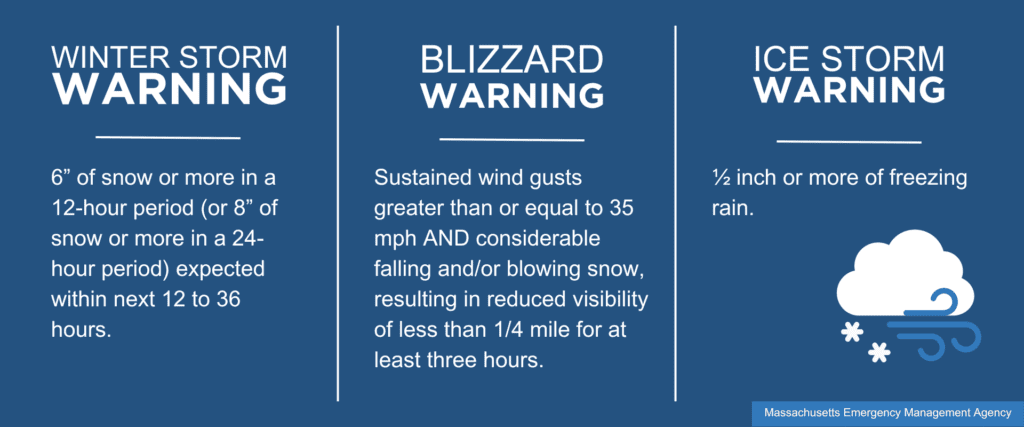
    It’s essential to prepare for the challenges that come with snowstorms. Winter storms can pile on snow, freezing rain and ice, high winds, and extremely cold temperatures. Here are some steps you can take to prepare yourself and your family before a snowstorm hits! 

    [tb-dynamic-container provider=” source=” field=” removeDeadLinkTarget=”true”]
    %%tb-image-alt-text%%
    [/tb-dynamic-container]

    Why prepare?

    Preparing for a snowstorm is crucial for safety and well-being, as it ensures you are equipped to navigate hazardous conditions. Extreme winter weather can lead to collapsed roofs, power outages, and storm-related injuries.  


    1. Monitor Weather Forecasts 

    It’s important to stay informed by regularly checking weather forecasts. This will allow you to anticipate the severity and the timing of the snowstorm, which will provide time to take needed precautions!

    2. Stock Up on Essentials 

    Create an emergency kit that includes non-perishable food items, bottled water, medications, and household supplies. Be sure to have enough to sustain your household for at least a few days.  

    3. Stay Connected 

    Charge your phones and any other electronic device, and have a backup power source, such as a power bank. Stay connected with family and neighbors to offer or receive assistance if needed and when safe to do so!  

    If your medical equipment uses electricity, talk to your health care provider and utility company for options during a power outage.  

    >> 6 Tips to Prep Your Home for Winter

    4. Prep Your Car 

    Preparing your car before a snowstorm is essential to ensure safe travel in winter conditions. Make sure your tires are in good shape and are properly inflated. If necessary, switch to snow tires for better traction.  

    [tb-dynamic-container provider=” source=” field=” removeDeadLinkTarget=”true”]
    %%tb-image-alt-text%%
    [/tb-dynamic-container]

    5. Shovel and Salt  

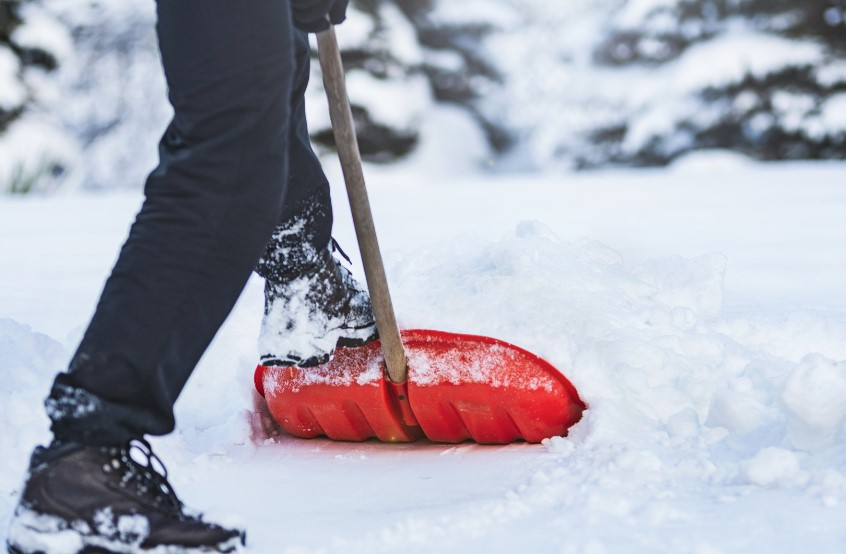
    Keep your driveway and walkways clear by having a snow shovel and ice melt or rock salt on hand. Regularly shovel during large storms to prevent buildup or heavy, hard to remove snow!  

    Remember, ice melt tends to sell out quickly at local stores before a storm. Be sure to start stocking up early so that you’ll have plenty for a snowstorm. Some green alternatives for ice melt are alfalfa meal, sand, or vinegar. 

    6. Pet Safety 

    We need to prepare our furry friends for snowstorms as well, because winter brings unique challenges, and we want our pets to feel comfortable and safe. Snow and ice can be harsh on pets’ paws, consider using pet-safe ice melt, or a green alternative on walkways and driveways. Wiping your pets’ paws after outdoor activities can help remove salt, chemicals, or ice. 

    Also, be careful not to let your pet eat anything they shouldn’t outside. Ingesting chemicals on the ground can make your pet sick or worse. 

    >> Pet Safety 101: Keep Your Animals Safe at Home

    Prioritizing Safety at Keches Law 

    Winter brings its own set of challenges, but when the right precautions are taken, we can ensure a safe winter season! Stay warm and safe.  

    If you or someone you know has suffered an injury, explore our  Personal Injury  and  Workers’ Compensation  services.  Contact Keches Law to discuss your case.  

  • Keep Warm and Stay Safe: Your Outdoor Winter Worker Checklist 

    Outdoor work doesn’t stop because the temperature drops!  During the winter months, outdoor workers can keep doing their job at a high level if they know how and when to protect themselves from the environment. 

    Read on to learn tips for outdoor workers to keep themselves safe during the winter – and share with the outdoor laborers in your life! 

    1. Dress Warmly on the Job 

    As temperatures fall, the risk of cold stress becomes a real concern for outdoor workers. Cold stress is different depending on where you live and what temperatures your body is used to, but in general, cold stress occurs when the body is no longer able to warm itself. Types of cold stress include trench foot, frostbite, hypothermia and chilblains. 

    To prevent the effects of cold stress, it’s essential to wear proper clothing. Layering not only provides insulation but allows for easy adjustment to changing weather conditions. Waterproof options or water-absorbing materials can help keep you dry, preventing heat loss through evaporation. 

    Another good rule to work by is that slowly getting more and more comfortable with the environment helps. When workers acclimatize gradually to cold environments, they can enhance their tolerance and reduce the risk of cold stress. 

    2. Take Steps to Protect Your Feet 

    Outdoor snow removal workers need to keep an eye on their feet. Special blood vessels in your feet open to allow large amounts of blood to pass through them—which makes your body heat quickly. In other words, keep your feet warm—keep your body warm. 

    Outdoor workers need their feet in good shape to be able to properly perform their job, so keeping their feet dry and warm is very important. Prioritize insulated, waterproof footwear. This not only protects against the cold but also guards against moisture, keeping feet dry and reducing the risk of frostbite. If your feet are colder than usual, it can affect your gait and cause problems for other parts of your body as you attempt to compensate for your aching feet! Cold feet can lead to frostbite and in colder months there isn’t much insulation coming from the ground. 

    A few other shoe details of note include their fit and traction. Poorly fitting shoes can lead to constriction that may impede circulation, while footwear with adequate traction minimizes the risk of slips and falls on icy surfaces. 

    3. Prevent Hypothermia and Frostbite 

    If you don’t take care of your feet, or any other part of your body for that matter, Frostbite and Hypothermia are the terrible consequences you could be facing. Hypothermia is caused by long-term exposure to cold temperatures, when your body loses heat faster than it’s produced. Frostbite is caused by a part of the body freezing. The part of the body turns numb so if someone else points it out to you, it is important to take action. 

    Outdoor workers need to prioritize wearing warm clothing and watching for any symptoms like shivering, confusion and slurred speech for hypothermia and red spots on the skin for frostbite. 

    4. Clear Your Snow Without the Risk 

    It’s unenviable, but inevitable. Snow will fall, and someone has to clear it out of the way so cars can drive on roads, pedestrians can walk on sidewalks and businesses can use their parking lots. 

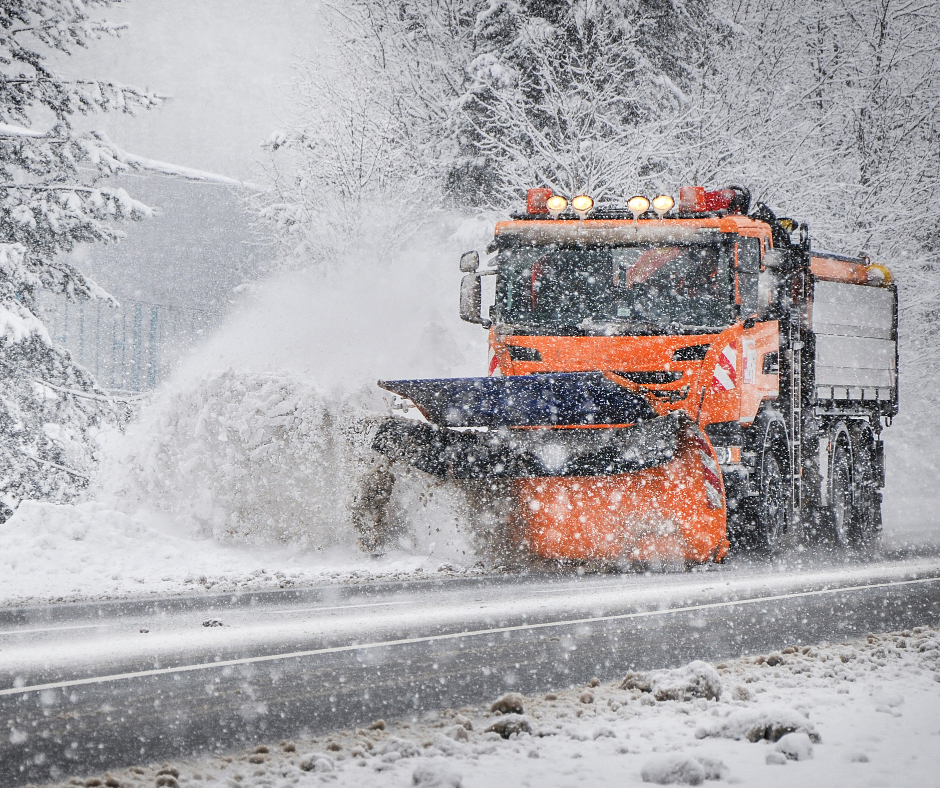
    Plow drivers are out in force whenever there is a snowstorm, and they need to be careful on the roads. There is a lot to remember when taking to the roads during a snow storm or on icy roads when the roads are covered. 

    • Drive Slowly! The roads need to be plowed, but that doesn’t mean you need to drive fast.
    • Maintain Your Vehicle. Make sure tires have plenty of tread and keep the gas tank at least halfway full.
    • Slow To Stop. When roads are slick and your vehicle is heavy, it is hard to come to a quick stop. Slow to a stop or keep to a roll and avoid stopping if possible.
    • Build Up Speed Before Climbing. Don’t try to ease or power up a hill, get inertia before beginning to go up the hill and let it carry you up, and whatever you do, don’t stop. This will lead to stopping or spinning tires.

    When it comes to driveways and sidewalks where plows aren’t being used, first things first: people with a history of heart problems or aren’t regularly active should consult a health care provider before shoveling snow.  

    Whether you’re a small business owner wearing many hats or a worker responsible for snow removal, make sure you’re being safe. Moderation is key—take breaks, drink water, dress warmly. 

    In addition, save your back and muscles by using ergonomic shovels and push rather than lift snow whenever possible. Snow blowers are another option to help save yourself some pain, and time. 

    5. Stay Safe on Icy Roads 

    Winter months means water, ice and snow on the roads. If you have a job that requires a lot of winter travel, you need to know what to do in the event of poor conditions. 

    Before you drive anywhere, make sure you have performed any routine maintenance your car needs—including brakes, tires, car battery and more. 

    If you do run into trouble, you’ll thank yourself later if you’d prepared an emergency kit including things like blankets, non-perishable food and a flashlight. 

    Also, make sure you’re driving defensively by doing things like maintaining a safe distance when following other vehicles and adjusting speed based on conditions. In addition, check weather forecasts before you get behind the wheel. 

    6. Create Warm Break Areas 

    When working outside, you will adjust to the cold weather, but that won’t totally prevent the onset of cold stress, or even hypothermia or frostbite. Warm and waterproof clothes are a good start, but sometimes more is needed. 

    Part of acclimating to the cold weather is by slowly building up how long you can be in the weather. Especially initially, take regular and frequent breaks to slowly build up the tolerance for the cold! 

    Another good way to help outdoor workers warm up is by offering warm drinks in their outdoor workplace if possible. 

    Putting Safety First with Keches Law Group 

    Remember, winter brings its own set of challenges, but with the right knowledge and precautions, we can ensure a safer working environment for everyone. Stay warm and stay safe! 

    If you or someone you know has suffered an injury, explore our Personal Injury and Workers’ Compensation services. Contact Keches Law to discuss your case. 

  • New Laws that Focus on Safety in 2024 

    New Laws that Focus on Safety in 2024 

    A new year comes with new laws, and across the country many new rules are making Americans safer. Check out how state governments in New England and the rest of the U.S. have our safety in mind.

    New England 

    • In New Hampshire, children under the age of 2 need to be placed in a rear-facing child restraint while driving in a motor vehicle. 
    • In Maine, a new law means that anyone born after Jan. 1, 1999 will need to take a boater safety course before operating a boat with more than 25 horsepower. In addition, operators in general will need to be at least 12 years old. 
    • Also in Maine, campfires cannot exceed 3 feet in height or diameter. The law does not impact debris or brush burning, which have a permit process. 
    • In Connecticut, online dating services will need to give users a way to report threats and harassment and information on scams. 

    >> Driving While Intoxicated: By the Numbers 

    Across the Country 

    • In California, the “Ebony Alert” was passed which is an emergency system to notify the public when there are missing black children and women between the ages of 12 and 25. 
    • In Illinois, videoconferencing while driving, like Zoom or Facetime, has been banned. 
    • In Arkansas, new mothers will be required to undergo screenings for depression, which will be paid for by health providers. 
    • Also in Arkansas, public safety employees who experience a traumatic event while on duty will be provided counseling. 
    • In New York, the legal age to operate an ATV increased from 10 to 14 years old with a new law and anyone under the age of 16 is only allowed to operate an ATV on land owned by parents or guardians, and only under supervision. 

    >> 5 Safety Resolutions to Consider in 2024 

    New Laws in Massachusetts 

    • Massachusetts will see its first tax cut in 20 years, which will total $1 billion. The cut will increase the child and dependent care tax credit from $180 per child to $310 in 2023 and $440 in 2024, eliminate the cap on dependents (previously held at two), and will increase tax credits for income tax, the senior circuit breaker tax and student loan repayment assistance. In addition, the rental reduction cap will increase from $3,000 to $4,000. 
    • Dental reform will change the way premiums are handled by insurance carriers. More of the premium will be required to go to patient care than before. Massachusetts is the first state to regulate dental insurance premiums. 

    >> Keches Law Receives High Marks from Best Law Firms ® 

    Keches Law Is Here to Help 

    The new year brings promise and hope for change, and it’s reassuring to see states taking proactive steps to help keep their residents safe. But accidents happen, and if you or someone you know is involved in a car crash or other personal injury, you need to know where to turn. 

    Keches Law is one of the largest and most well-respected personal injury law firms in Massachusetts. Our personal injury attorneys are skilled, experienced and ready to hear your story and help you through the process. Contact us today.