Tag: Car

  • How Do I Avoid Car Accidents This Spring?

    When buds pop out on trees, flowers push through the mud and snow and you start to sneeze from the newly arrived pollen, you know that spring has arrived. 

    But with spring comes a new set of road conditions to be careful of and new safety measures to keep on alert with. Keep reading to learn how to stay safe on the road as the snow melts and the weather starts to warm up. 

    Adapt to Changing Weather Conditions 

    They don’t say “April showers, May Flowers” for nothing. And if you want to be more accurate, you should add “March mud” to the beginning of the list. Melting snow combining with hotter weather means the ground softens, and the chance of mud, rain, slush and debris on the road increases. 

    On top of that, the variety of weather conditions in spring will keep you on your toes. Be on the lookout for snowfall, thunderstorms, rain showers and anything else you can imagine. Unusual weather can make for sudden road condition changes, so be mindful of your speed, drive to the road conditions, and take your time. 

    >> How Do I Drive Safe In Snowy Weather? 

    Make Sure Your Car Is Ready for the Spring 

    Before the winter began, you checked your car to make sure you wouldn’t break down in the snow. You considered new tires or even snow tires, put an emergency kit in the trunk and had your car checked out. With the weather changing again, another checkup is in order. 

    Keeping up with regular vehicle maintenance is always the best way to make sure your car is ready for any conditions. But also, be prepared as drivers may be bolder on the street with warmer conditions and pedestrians may be walking more frequently. 

    >> 5 Motor Vehicle Safety Hazards You Might Not Know About 

    Spring Driving Hazards To Look Out For 

    In the spring, the roads are just different than what you’ve been dealing with for the last few months. Look into the new season’s problems so you are prepared and putting yourself in the safest situation you can before getting behind the wheel. 

    1. What is the Safest Way to Avoid Potholes? 

    Avoiding potholes isn’t as simple as driving around them. Sometimes avoiding them could mean driving into the other lane, and sometimes driving in them could mean potentially damaging your vehicle. So how do you handle it? 

    First of all, when you check your car this spring, make sure you look over your tires and suspension, potholes are a lot less trouble with a car prepared for them. Secondly, slow down when you see a pothole coming. Lastly, check the safety of the situation before swerving around a pothole, if a car is in the other lane, it isn’t safe. Also, note that potholes can fill with water and look like puddles, so be careful driving through puddles as well. 

    2. How Do I Avoid Hydroplaning? 

    Wet pavement leads to 1.2 million car crashes per year. Hydroplaning, which is when the car’s tires lose traction with the road and glide on the water instead, is a major contributor to the accident total. Avoiding hydroplaning involves making sure you keep traction with the road. Here are a couple quick tips to make sure you do that: 

    A. Don’t put on cruise control when its wet or raining—make sure you are in charge of the car’s movement in these moments. 

    B. Slow down and leave room so you don’t slide into another vehicle. 

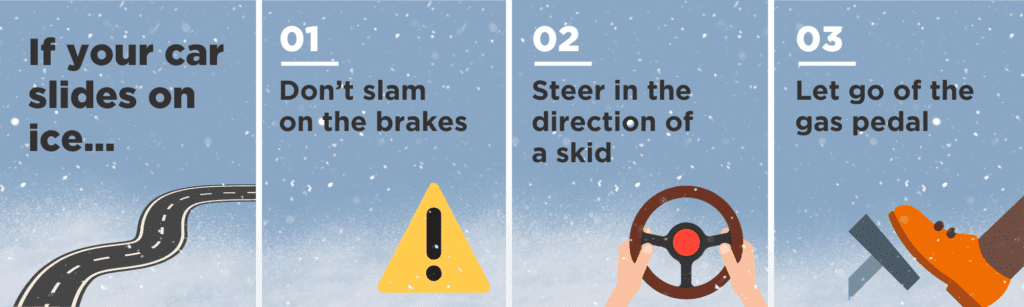
    C. Finally, handle a skid properly: drive in the direction the car wants to go, let off the gas and absolutely don’t slam on the breaks or make sudden turns, this will only further add to the car’s loss of traction. 

    3. Share the Road With Pedestrians and Cyclists 

    Warmer weather means more people are out and about. More people out and about means more pedestrians and cyclists. So when you’re driving this spring, remember to be vigilant about checking crosswalks, paying attention to sidewalks and road edges, giving bicyclers room and generally paying attention to the people you share the road with. 

    4. Avoid Animals on the Road 

    In the winter, animals hide away and hibernate to avoid the weather. But come spring, wildlife like deer return to the woods and potentially, the roads. Every year about 1.5 million car accidents happen with deer alone, so keeping a watchful eye is important. 

    The hours surrounding dawn and dusk are the most active, and animals are attracted to food, so don’t throw any out the window! Also be careful of areas where a stream or waterway runs under the road, animals may look to cross nearby. 

    What Other Spring Conditions Affect Your Driving? 

    So now your car is in good working order, you know how to safely drive in weather and water, you’re patient with pedestrians, bikers and animals. But spring brings some other, unforeseen issues as well. 

    Trees, grass and weeds are all growing again. But that means pollen. If you are affected by any springtime allergies, including pollen, you know that your eyes might be watering, you might sneeze and cough, and in general, you might not feel well. But that doesn’t affect your need to drive. So what do you need to do to stay safe from allergies behind the wheel? 

    Taking over-the-counter medications can help reduce symptoms, but make sure you read them and they won’t make you drowsy behind the wheel. Spring clean your car and change the air filters—making your car a better environment can only help you deal with the frustrations of allergy season. Finally, insulate your car by keeping your windows up—use the air conditioner instead of opening windows, and put on circulating air mode, you want less air from outside the car. 

    How Do I Drive in the Fog? 

    Precipitation and changing weather can lead to fog. Taking your time and not panicking go a long way to keeping you safe. Put on your headlights so other drivers can see you, but not high beams, which will cause a glare. If driving in thick fog, watch the lines on the center and side of the road to make sure you’re staying in your lane. 

      If the fog is impassible, turn on your hazard lights and pull off the road into a safe location. Wait for the conditions to improve before continuing. If there isn’t a safe place to go, pull off the side of the road and park. Keep your hazard lights on but turn off your headlights. Take your foot off the brake and put on your emergency brake so no one will accidentally run into you by following your brake lights.

    How Do I Drive With the Glare From the Sun? 

    With the change in daylight hours, the sun’s position is at different spots during morning and evening commutes. This can mean a nasty glare, and aside from slowing down and leaving room between cars, what can you do? 

    Try adjusting your commute time to see if there is a safer one that still works with your schedule. If that doesn’t do the trick, get some polarized sunglasses to wear while driving. The other way to make the view more tolerable is to clean your windshield. A glare on a dirty windshield is even worse. 

    >> 5 Steps To Take After Hitting Your Head 

    If Spring Driving Leads to an Accident, Keches Law is Here 

    No matter how much preparation you do, accidents still happen. It’s good to know you have a place to turn if you need an attorney after a springtime car crash

    Contact the skilled personal injury attorneys at Keches Law if you need a lawyer, we are ready to hear your story and provide the support and legal guidance you need. 
  • What Do I Do If I Get In a Car Accident?

    What Do I Do If I Get In a Car Accident?

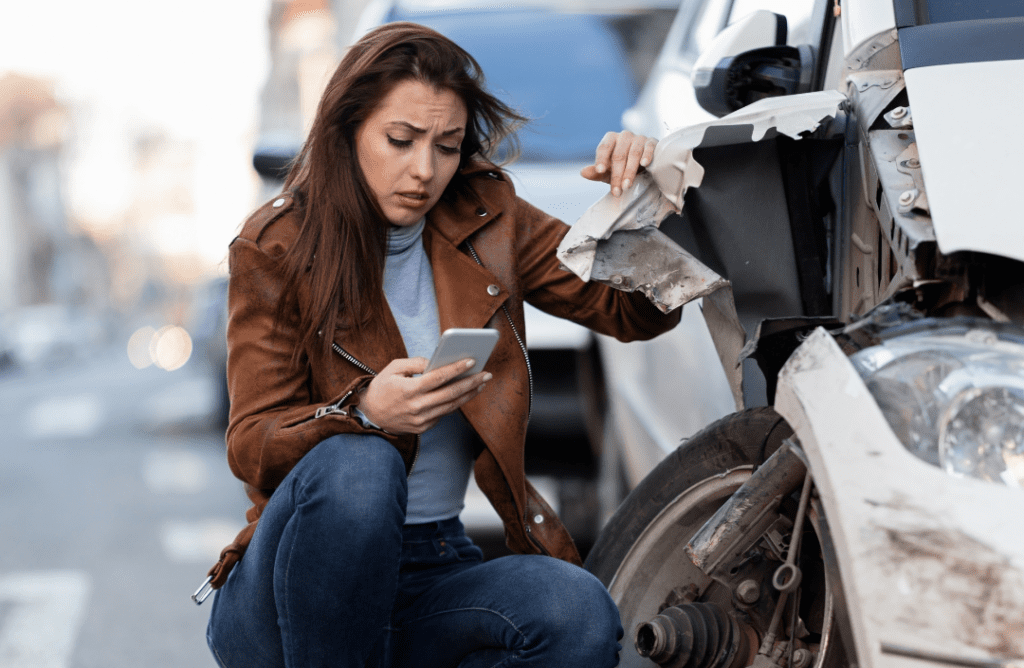
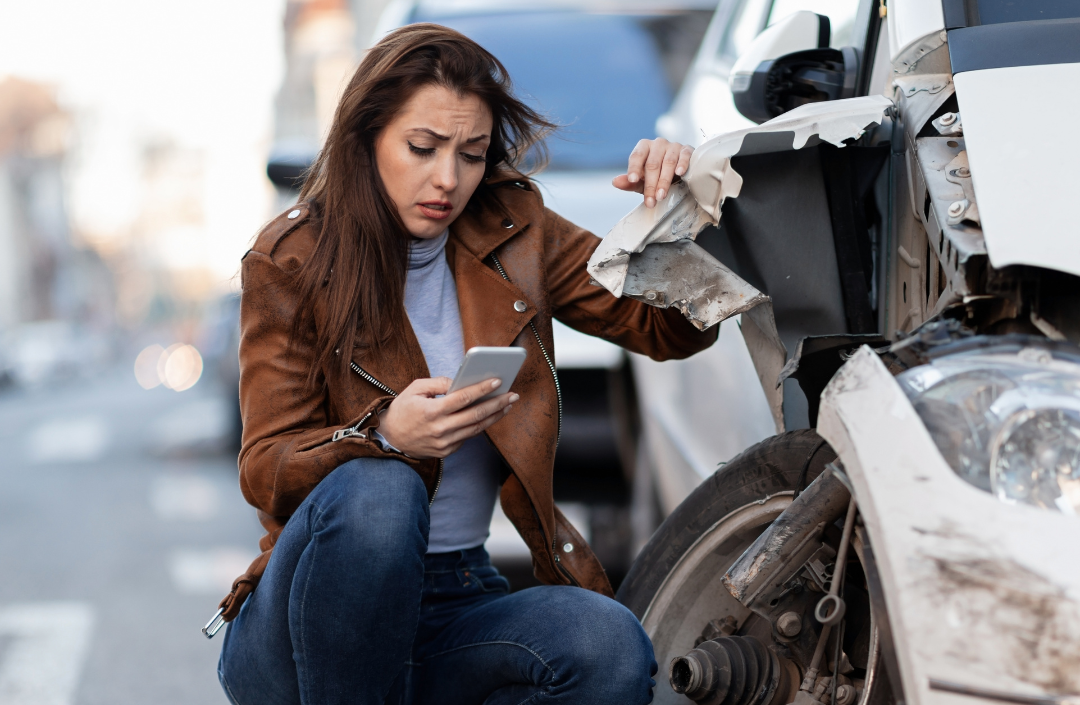
    Getting into a car accident, even a minor one, is a scary situation. In the moment you might be nervous or shocked, but you want to make sure you’re taking all the appropriate measures to stay safe and get the information you need.

    Read on to learn what to do right after you get into a car accident.

    >> The Sobering Truth About Driving While Intoxicated

    I Got In a Car Crash. What Do I Do?

    There is a lot to remember and the time right after a car crash is important. Make sure to calm yourself down, and think logically. Here is the order that you should address the situation.

    1. Should I Pull Over After a Car Accident?

    After getting into a car accident, as soon as you can, pull the car over to a safe, well-lit spot so you can check to see if you have been injured and to evaluate any damage to your car.

    2. Do I Need to Go to the Hospital?

    Remember, your well being is important. Take a moment to check on yourself and make sure you weren’t injured. If you feel in pain, the next step should be to call an ambulance to take you to the hospital so you can get checked out for potential car accident injury.

    >> 5 Steps to Take After Hitting Your Head

    3. Do I Need to Take Pictures After a Car Accident?

    Look at the scene of the accident and note all of the information you can. Take pictures of your car, the other driver’s car, the road, any damage, and anything else you can think of. Note down information that you think might be helpful for your personal injury attorney.

    4. Should I Exchange Licenses With the Other Driver?

    Determine whether you feel safe talking to the other driver. Use extreme caution. Road rage is real, and only talk to the other driver if you don’t feel nervous doing so.

    You and the driver of the other car shouldn’t talk through the accident, but you should exchange information, including driver’s license, contact information, car insurance, and registration. In your notes, be sure to write down what their license plate number is.

    What Do I Ask the Other Driver For After a Car Accident?

    • Driver’s License
    • Contact Information
    • Car Insurance Company
    • Car Insurance Policy Number
    • Registration
    • License Plate Number

    5. Do I Need to Call the Police After a Car Crash?

    Yes. Call the police department for the town or city where the crash occurred. Report the accident. If a police officer comes to the scene of the accident, record his or her name, badge number and contact information. If they don’t arrive, you can follow up later with the police department and request a copy of the accident report.

    >> Drive Safely on Icy and Snowy Roads

    Keches is Here to Help 

    The experienced personal injury attorneys at Keches Law Group are here to help if you get into a car accident and believe you have a case. Make sure to record as much information as you can, while thinking first about safety. 

    Contact us to talk about the next steps to take. We are here for you and can walk you through the process from start to finish. 

  • Stay Safe Driving in the Snow and Ice This Winter 

    Stay Safe Driving in the Snow and Ice This Winter 

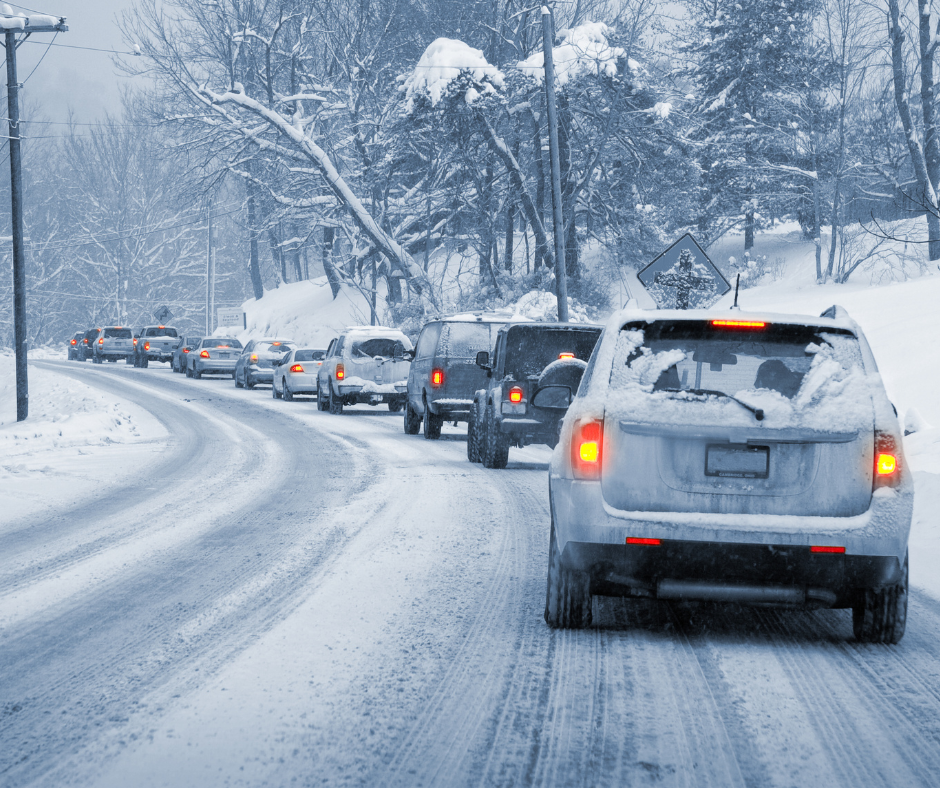
    Cars in traffic during snowy weather conditions.

    White powdery snow serenely falling is a beautiful sight to take in when you’re in your cozy living room in front of a roaring fire, but it’s a bit less exciting to see it falling when you’re halfway to work and know the commute home will include driving in wintery conditions. 

    When the weather gets colder, you need to be ready for different road conditions – snow, ice, slush, rain, and more. Read on to learn how to put yourself in a better position to be safe from winter conditions—along with your passengers and anyone you’re sharing the road with. 

    Prepare Your Vehicle for Driving in the Winter 

    A car needs to be maintained throughout the year, but winter conditions put extra pressure on your car and regular maintenance can greatly reduce the safety risks of driving in cold weather. So when you feel that first biting cold, set up a schedule for how to maintain your vehicle. 

    Check Your Tires. For your tires to be effective, you need enough tread on your tires and good air pressure. The tread on your tires needs to be able to grip the road. Snow tires grip the road better than your average alternative. Although snow tires are obviously a good option, start out with the basics. Your tires should have proper tread. Also, cold weather makes your tires lose air pressure, so check that they are properly inflated. Throughout the winter, make continuous checks and replace them if they aren’t in good shape. 

    Check Your Battery. When batteries get cold, they don’t work as well. Electric cars can drive fewer miles and need more charging time during the winter. But ordinary car batteries aren’t immune. Check your battery proactively to avoid needing roadside help during bad winter conditions. 

    Inspect the Basics. Brakes, lights and wipers are all essential to making sure your car is running smoothly. When you are facing an icy or snow-packed road, you want them all working. Keep an eye on your essentials all winter. 

    Make a Winter Emergency Vehicle Kit. Snow or ice on the ground increases the possibility of an emergency. Pack a kit and put it in your car with extra food and water, warm clothing, a flashlight, window scraper, blankets, medications and anything else you think would be appropriate. Be prepared for everything—some other options include sand, kitty litter or salt to help with traction, cell phone chargers, blankets and a first-aid kit. 

    Master Winter Driving Techniques 

    1. Inspect Your Car Before You Leave. Clear your car’s tailpipe, scrape windows, warm up the car, make sure there isn’t ice blocking your lights, and don’t leave snow on the roof. Before you can drive safely, you need to make sure the car is safe to drive. 
    1. Slow Down. It might seem obvious, but sometimes people speed up when they are nervous on the road. Even with snow falling or ice and slush on the ground, keep calm, and drive your car slower. 
    1. Keep Your Distance From Other Cars. If there’s ice or snow on the road, it will take more time to stop than usual. Make sure you brake earlier to allow extra room to stop. 
    1. Think Gentle, Not Abrupt. Slamming on the brakes, hitting the gas, or swerving can lead to the car losing traction, and you may lose control of your vehicle. Be deliberate and patient with your maneuvers. 
    1. Steer in the Direction of the Skid. When your wheels regain traction, you don’t want to have to overcorrect and cause additional sliding. If you steer into the skid you will have an easier time staying in your lane. 
    1. Don’t Use Cruise Control. When road conditions are bad, you need to be in control every second so you can make a quick decision and can feel what speed is appropriate. 
    1. Keep Going Up a Hill. If possible, continue driving up a hill, don’t stop. You might get stuck where you are or slide backwards if you stop. 
    1. Know When to Sit Out. If the road conditions are terrible, don’t get into the car in the first place. If there are whiteout conditions, pull off the road to a safe place and wait for conditions to improve. 

    Handling Winter Weather Car Emergencies 

    Imagine you’re driving and a storm blows up suddenly, causing whiteout conditions. You know that sometimes you need to sit out, so you pull the car to a safe spot. And because you prepared your car for the winter, it’s in good condition and has an emergency kit. You can wait out the worst conditions where you are. You scraped your windshields and windows, swept off any snow and cleared your tailpipe before you left, but now what do you do? 

    Maintaining your safety in an emergency is also vitally important, here are some quick actions to take: 

      Put On Your Hazard Lights.

      Keep Your Headlights On.

      Recheck Your Tailpipe.

      Make a Call if You Have Service.

      Be Patient.

    These actions are simple and straightforward but critically important. The lights and hazards will increase your visibility during a situation where your car is hard to see. Checking your tailpipe will prevent carbon monoxide from pooling in your car. Making a call will allow you to let people know where you are and what situation you’re in. Patience, perhaps the most important step, will help you from making a bad decision by getting back on the road. 

    Hurt In a Winter Car Accident? 

    Drive safe but know that if you are injured in a car accident, you have a place to turn. 

    Keches Law personal injury lawyers are ready to hear your story and help you navigate the process after you’ve been injured in a car accident. Contact us today to discuss your case.