$100 Per Catch Contributed Throughout Patriots Regular Season
Foxboro, Massachusetts (January 10, 2024) — Keches Law Group announced Wednesday that it contributed over $35,000 to it’s scholarship fund during the New England Patriots football season as part of the “Catches for College” initiative in partnership with 98.5 The Sports Hub.
The “Catches for College,” sponsorship was a promotion with 98.5 The Sports Hub radio network. Keches donated $100 to its scholarship fund for every reception made by the team throughout the regular season – a total of $35,100 for 351 completions.
“We’re proud to be the official law firm of the New England Patriots and are thrilled to be able to raise such a sizable amount of money to put towards our scholarship fund,” says Keches Law Managing Partner Sean Flaherty.
Keches Law has a long history of community involvement and charitable causes in Massachusetts and beyond. For the past five years, Keches Law has awarded a college scholarship. North Reading resident Molly Harrington was the 2023 recipient.
Since opening in 1986, the Keches Law Group has recovered more than $2 billion for their clients and has supported unions and fights for the rights of people injured on the job throughout the greater Boston area, Rhode Island, New Hampshire, and Connecticut. Other practice areas include social security disability, employment law, class action, medical malpractice, and more. Keches Law Group also prioritizes community involvement and charitable causes through their non-profit organization, Keches Cares. For more information, visit the Keches Law website or follow them on Facebook, Instagram, Twitter, and LinkedIn.
Outdoor work doesn’t stop because the temperature drops! During the winter months, outdoor workers can keep doing their job at a high level if they know how and when to protect themselves from the environment.
Read on to learn tips for outdoor workers to keep themselves safe during the winter – and share with the outdoor laborers in your life!
1.Dress Warmly on the Job
As temperatures fall, the risk of cold stress becomes a real concern for outdoor workers. Cold stress is different depending on where you live and what temperatures your body is used to, but in general, cold stress occurs when the body is no longer able to warm itself. Types of cold stress include trench foot, frostbite, hypothermia and chilblains.
To prevent the effects of cold stress, it’s essential to wear proper clothing. Layering not only provides insulation but allows for easy adjustment to changing weather conditions. Waterproof options or water-absorbing materials can help keep you dry, preventing heat loss through evaporation.
Another good rule to work by is that slowly getting more and more comfortable with the environment helps. When workers acclimatize gradually to cold environments, they can enhance their tolerance and reduce the risk of cold stress.
2. Take Steps to Protect Your Feet
Outdoor snow removal workers need to keep an eye on their feet. Special blood vessels in your feet open to allow large amounts of blood to pass through them—which makes your body heat quickly. In other words, keep your feet warm—keep your body warm.
Outdoor workers need their feet in good shape to be able to properly perform their job, so keeping their feet dry and warm is very important. Prioritize insulated, waterproof footwear. This not only protects against the cold but also guards against moisture, keeping feet dry and reducing the risk of frostbite. If your feet are colder than usual, it can affect your gait and cause problems for other parts of your body as you attempt to compensate for your aching feet! Cold feet can lead to frostbite and in colder months there isn’t much insulation coming from the ground.
A few other shoe details of note include their fit and traction. Poorly fitting shoes can lead to constriction that may impede circulation, while footwear with adequate traction minimizes the risk of slips and falls on icy surfaces.
3. Prevent Hypothermia and Frostbite
If you don’t take care of your feet, or any other part of your body for that matter, Frostbite and Hypothermia are the terrible consequences you could be facing. Hypothermia is caused by long-term exposure to cold temperatures, when your body loses heat faster than it’s produced. Frostbite is caused by a part of the body freezing. The part of the body turns numb so if someone else points it out to you, it is important to take action.
Outdoor workers need to prioritize wearing warm clothing and watching for any symptoms like shivering, confusion and slurred speech for hypothermia and red spots on the skin for frostbite.
4. Clear Your Snow Without the Risk
It’s unenviable, but inevitable. Snow will fall, and someone has to clear it out of the way so cars can drive on roads, pedestrians can walk on sidewalks and businesses can use their parking lots.
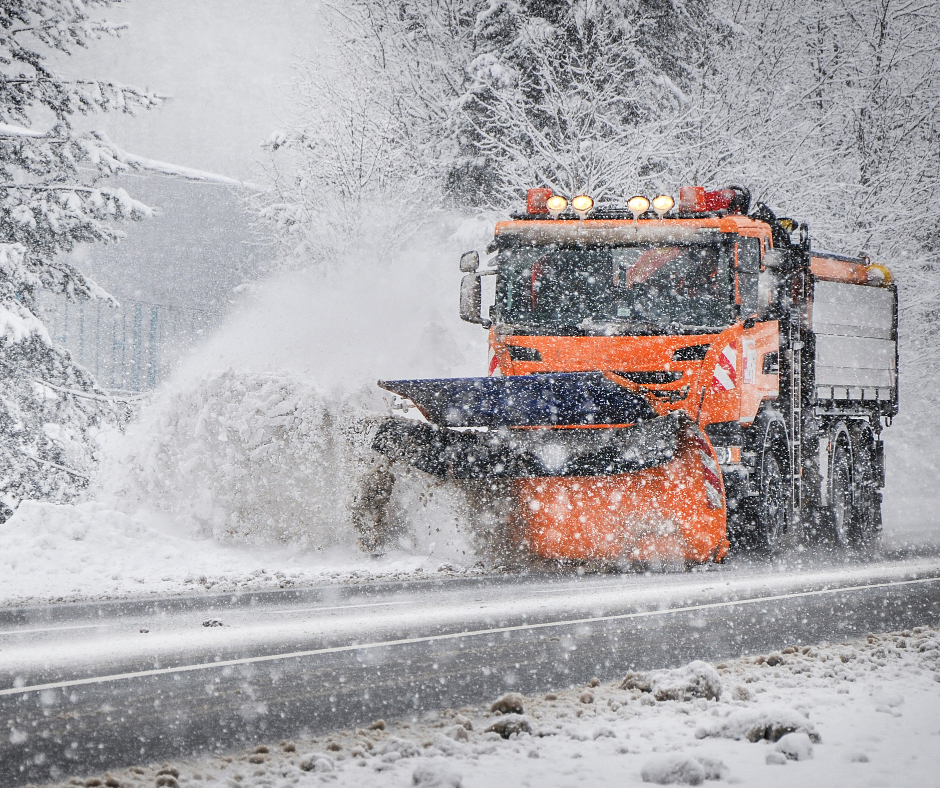
Plow drivers are out in force whenever there is a snowstorm, and they need to be careful on the roads. There is a lot to remember when taking to the roads during a snow storm or on icy roads when the roads are covered.
Drive Slowly! The roads need to be plowed, but that doesn’t mean you need to drive fast.
Maintain Your Vehicle. Make sure tires have plenty of tread and keep the gas tank at least halfway full.
Slow To Stop. When roads are slick and your vehicle is heavy, it is hard to come to a quick stop. Slow to a stop or keep to a roll and avoid stopping if possible.
Build Up Speed Before Climbing. Don’t try to ease or power up a hill, get inertia before beginning to go up the hill and let it carry you up, and whatever you do, don’t stop. This will lead to stopping or spinning tires.
When it comes to driveways and sidewalks where plows aren’t being used, first things first: people with a history of heart problems or aren’t regularly active should consult a health care provider before shoveling snow.
Whether you’re a small business owner wearing many hats or a worker responsible for snow removal, make sure you’re being safe. Moderation is key—take breaks, drink water, dress warmly.
In addition, save your back and muscles by using ergonomic shovels and push rather than lift snow whenever possible. Snow blowers are another option to help save yourself some pain, and time.
5. Stay Safe on Icy Roads
Winter months means water, ice and snow on the roads. If you have a job that requires a lot of winter travel, you need to know what to do in the event of poor conditions.
Before you drive anywhere, make sure you have performed any routine maintenance your car needs—including brakes, tires, car battery and more.
If you do run into trouble, you’ll thank yourself later if you’d prepared an emergency kit including things like blankets, non-perishable food and a flashlight.
Also, make sure you’re driving defensively by doing things like maintaining a safe distance when following other vehicles and adjusting speed based on conditions. In addition, check weather forecasts before you get behind the wheel.
6. Create Warm Break Areas
When working outside, you will adjust to the cold weather, but that won’t totally prevent the onset of cold stress, or even hypothermia or frostbite. Warm and waterproof clothes are a good start, but sometimes more is needed.
Part of acclimating to the cold weather is by slowly building up how long you can be in the weather. Especially initially, take regular and frequent breaks to slowly build up the tolerance for the cold!
Another good way to help outdoor workers warm up is by offering warm drinks in their outdoor workplace if possible.
Putting Safety First with Keches Law Group
Remember, winter brings its own set of challenges, but with the right knowledge and precautions, we can ensure a safer working environment for everyone. Stay warm and stay safe!
A new year comes with new laws, and across the country many new rules are making Americans safer. Check out how state governments in New England and the rest of the U.S. have our safety in mind.
New England
In New Hampshire, children under the age of 2 need to be placed in a rear-facing child restraint while driving in a motor vehicle.
In Maine, a new law means that anyone born after Jan. 1, 1999 will need to take a boater safety course before operating a boat with more than 25 horsepower. In addition, operators in general will need to be at least 12 years old.
Also in Maine, campfires cannot exceed 3 feet in height or diameter. The law does not impact debris or brush burning, which have a permit process.
In Connecticut, online dating services will need to give users a way to report threats and harassment and information on scams.
In California, the “Ebony Alert” was passed which is an emergency system to notify the public when there are missing black children and women between the ages of 12 and 25.
In Illinois, videoconferencing while driving, like Zoom or Facetime, has been banned.
In Arkansas, new mothers will be required to undergo screenings for depression, which will be paid for by health providers.
Also in Arkansas, public safety employees who experience a traumatic event while on duty will be provided counseling.
In New York, the legal age to operate an ATV increased from 10 to 14 years old with a new law and anyone under the age of 16 is only allowed to operate an ATV on land owned by parents or guardians, and only under supervision.
Massachusetts will see its first tax cut in 20 years, which will total $1 billion. The cut will increase the child and dependent care tax credit from $180 per child to $310 in 2023 and $440 in 2024, eliminate the cap on dependents (previously held at two), and will increase tax credits for income tax, the senior circuit breaker tax and student loan repayment assistance. In addition, the rental reduction cap will increase from $3,000 to $4,000.
Dental reform will change the way premiums are handled by insurance carriers. More of the premium will be required to go to patient care than before. Massachusetts is the first state to regulate dental insurance premiums.
The new year brings promise and hope for change, and it’s reassuring to see states taking proactive steps to help keep their residents safe. But accidents happen, and if you or someone you know is involved in a car crash or other personal injury, you need to know where to turn.
Keches Law is one of the largest and most well-respected personal injury law firms in Massachusetts. Our personal injury attorneys are skilled, experienced and ready to hear your story and help you through the process. Contact us today.
The start of a new year is a great time to reflect on all we’ve accomplished, and to look ahead at what areas of our lives need some work. One area of your life that should always be prioritized: safety!
Here are 5 New Year’s resolutions that will help you stay proactive in keeping yourself safe throughout 2024.
1. Stop Texting and Driving
Distracted driving accounts for 3,000 fatalities in car crashes every year, and one of the leading sources that causes drivers to lose focus is texting while driving. In fact, 48 states have banned texting and driving, which makes sense given that the NHTSA reports that sending or reading a text can cause drivers to take their eyes off the road for up to 5 seconds. At 55 mph, that’s enough time to drive the length of a football field!
This year, take a new approach. Send a message before you leave to let whoever you’re talking to that you’re going to be driving and can’t talk for a little while.
In fact, cell phones offer ample opportunity for distraction to drivers, from scrolling social media to making phone calls. No matter how tempting that notification is, remember that it can always wait until later—the safety of you, your passengers, and your fellow drivers should always come first.
2. Keep Your Car in Tip-Top Shape
Throughout the year, cars need regular maintenance. Oil changes every 3,000 miles, tire rotations, realignment, windshield wiper replacement, brake and tire replacements and more. If keeping up with this throughout the year is overwhelming, try scheduling yourself a monthly reminder to ensure you always have a sense of your vehicle’s upcoming maintenance needs.
A maintained vehicle is a safe vehicle—remember that you are on the road with other people, and keeping your car in good shape makes the road safer for you, but also for everyone else.
Adopting healthier habits reduces personal injury risks, and basic changes in your life can make a big difference! Examples of lifestyle changes you can make include:
Getting enough sleep: Most adults need 7 hours of sleep per night, and kids need 8-10 or more. Getting enough sleep can help improve not only overall health, but it also helps us think more clearly and make better decisions. Maintaining a balanced diet: Eating healthy boosts immunity, improves overall health, strengthens bones, and lowers risk of heart disease among other illnesses. But make sure to discuss any dietary changes you make with your healthcare provider to get tailored recommendations for your personal health. Reduce your stress: No one likes being stressed out, and medical experts say it’s not very good for us either. Meditating can make you feel at peace, calm and balanced, but reducing your stress can be as simple as taking a little time for yourself each day.
Your personal safety is priority one, and you should take any opportunity you can to reduce potential personal injury risks. This year, take the simple steps to get yourself on the right track.
Being a responsible adult comes with a lot of paperwork—and it’s normal to feel overwhelmed by it from time to time. From medical paperwork to financial information, to estate planning, and more, it’s important to keep your records updated.
If you get into a car accident, did you set up an emergency fund to help you cover the unexpected costs? How about insurance? Do you have everything covered you need covered? If you’re guilty of keeping this task on the back burner, think about planning out your year so that you’re prepared if a disaster strikes.
Estate planning is a necessary way to make sure you keep your loved ones accounted for no matter what happens. Do you have your medical records up to date and available? The process is simple through the HealthIT.gov website. Do you have a healthcare proxy assigned? In Massachusetts, the process to set up a healthcare proxy is straightforward— there’s even a website with simple instructions.
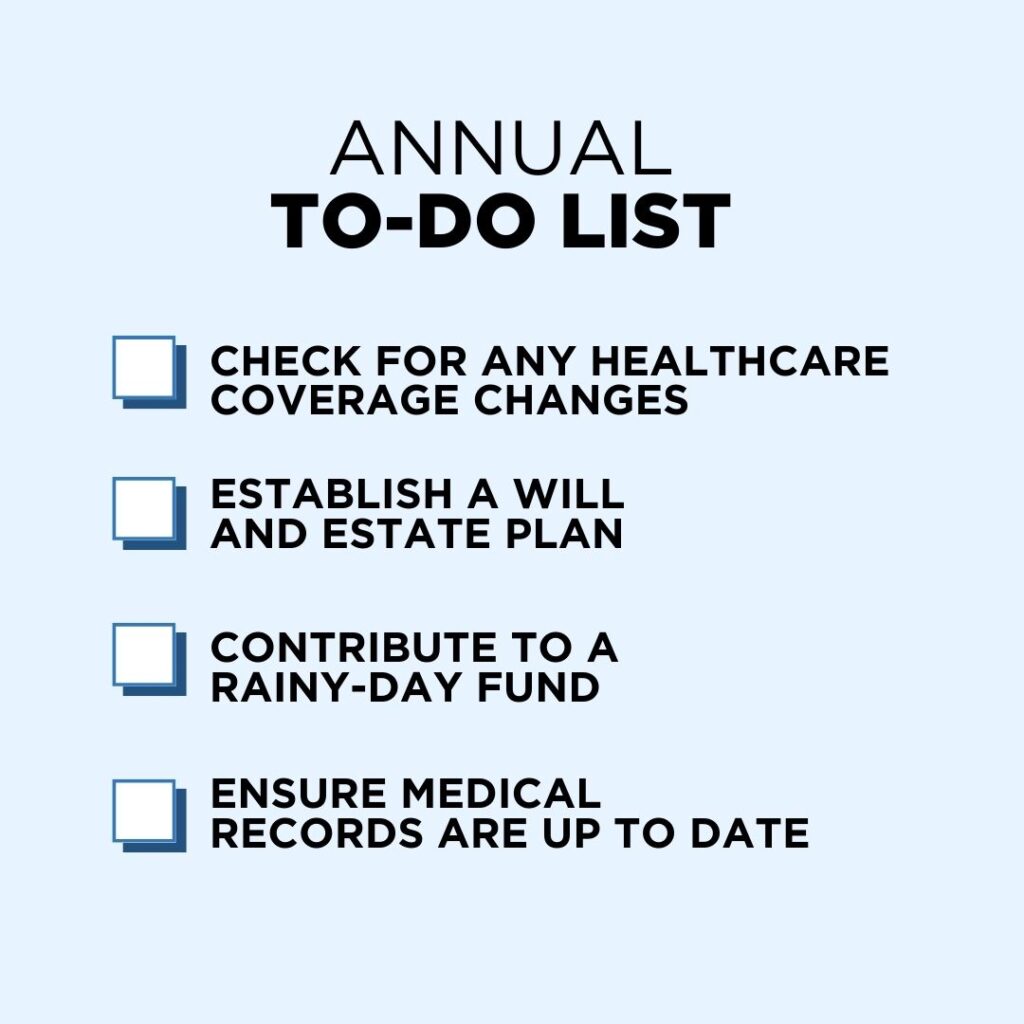
Organize a to-do list throughout the year so you can keep this information up to date and that way if you need it, you know you’ve kept yourself safe. By year’s end, you can have healthcare that covers everything you need, a will and estate plan, a security fund for a rainy day and medical records that are up to date. Just make you create a plan, stick to it, and tackle each item on the list one at a time.
5. Train Yourself to Help Others
What can you do to keep the people around you safe? Do you know first aid? CPR? Check your local area for classes, trainings and certifications, and learn to help protect others by learning skills firsthand. No one expects a medical emergency to happen, but preparation can make a potential crisis manageable.
The Red Cross offers training courses you can sign up for anytime on their website and the American Heart Association has information about community programs. Or try your local community’s website for training opportunities.
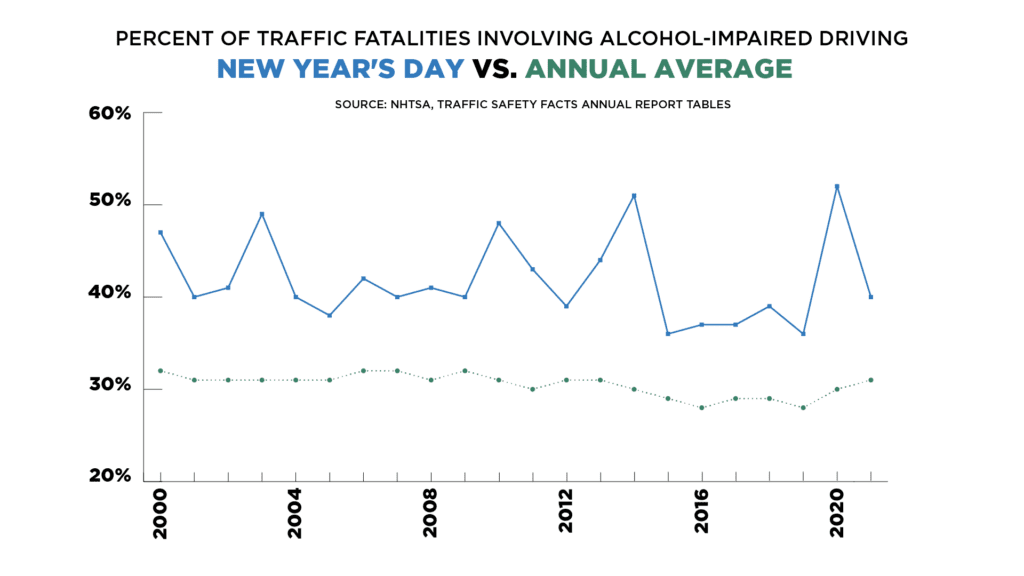
Alcohol is often a part of social get-togethers, but it’s important to know your limit in order to keep yourself and other people safe. According to the National Highway Traffic Safety Administration, 14% more people died in alcohol-impaired driving traffic deaths in 2021 than in 2020. Check out these numbers to learn more about drunk driving and the danger it poses.
In the United States, a “standard drink” contains 0.6 fluid ounces or 14 grams of pure alcohol, which translates to different quantities for different types of alcoholic beverages. Whether you’re drinking beer, wine, or hard liquor, these are good guidelines for a “standard drink.”
12 ounces of regular beer, typically 5% alcohol
5 ounces of wine, typically 12% alcohol
1.5 ounces of distilled spirits, which is about 40% alcohol
According to the National Institute on Alcohol Abuse and Alcoholism, alcohol can take between 30-45 minutes to reach its maximum effect in your bloodstream. As alcohol is metabolized, it takes more time to be broken down than absorbed, in other words, its easier to get drunk than regain sobriety.
In addition, there are multiple elements that can alter the effect alcohol has on you. Including genetics, body weight, gender, age, food in your stomach, medications in your system and how healthy you are.
Driving While Intoxicated During the Holidays
115.2M
Number of people expected to travel 50+ miles from December 23 to January 1
I Was Involved in a Drunk Driving Crash. What Should I Do?
Keches Law Group is one of the largest and most successful plaintiffs’ personal injury firm in Massachusetts. Our personal injury attorneys are well-versed in all areas of motor vehicle personal injury claims.
When you are involved in a car crash, it’s important to keep a few things in mind:
Always exchange information with other drivers involved and report the crash to police so accident details are properly documented.
If injured, seek immediate medical attention as well as any follow-up care necessary.
Take photographs of damage to the vehicles and the scene of the accident.
If you suffer injuries in a car accident, consult with an attorney so that your rights can be protected.
Keches Law Can Help
If you or someone you know was injured in a drunk driving car crash, the experienced personal injury attorneys at Keches Law Group can help you.
Insurance claims can be confusing and complex, but Keches Law lawyers are here to help you. Contact us today and have a lawyer walk you through each step of the process.
The winter offers a lot to look forward to—cozy nights with a blanket and a book, running around in the snow only to come in for a warm cup of hot cocoa, a fire in the fireplace during the holiday season. While all of these things make for great memories, make sure you aren’t forgetting to think about fire safety.
When preparing your house for winter, consider how the colder months can lead to unique fire hazards. Here are some suggestions to keep your house fire safe all the time, but especially during the winter.
Winter Fire Safety
Half of all home heating fires occur in December, January and February, so double check that you’re keeping your home safe before the snow really starts falling.
Monthly Checkup. With the heater’s turned up and the windows closed, it’s a good idea to check your carbon monoxide detectors at least once per month so you know they are working as they should.
Don’t Overload an Outlet. Heat producing appliances, like space heaters, use a lot of electricity. So it’s important that you don’t have more than one going into a specific outlet at a time. Otherwise you could overload the circuit and start a fire.
Generators Need to Stay Outside. When the power goes out during winter storms, many people turn to generators to keep their lights and heating systems up and running. But it is vital to remember that generators need to run outside. If a generator is usedindoors, it can flood the house with carbon monoxide in minutes and put everyone inside it at risk of carbon monoxide poisoning.
Don’t Let Your Pipes Freeze. If pipes in your house freeze, they can burst and cause catastrophic damage that can be expensive to repair. To prevent this from happening, keep the thermostats in your house at 55 degrees or warmer, eliminate sources of cold air near water lines like drafts from doors or windows, and if need be, wrap your pipes in insulation. If the weather stays below freezing, keep the water moving by allowing a trickle of water to run through.
According to the U.S. Environmental Protection Agency, 87 percent of residential building heating fires happen in fires started in chimneys, flues or flue burners. The leading factor for these fires was failure to clean the equipment—primarily chimneys.
A good way to decrease the likelihood of an issue is to have a qualified professional clean and inspect your chimney and vents once per year. Most chimney fires happen when creosote, a tarry byproduct of burning wood, builds up inside the chimney.
In general, make sure you follow up the cleaning by following some basic fireplaces safety rules.
Burn only dry, clean wood.
Don’t use flammable liquids to start a fire.
Check the damper is open before use so smoke and carbon monoxide doesn’t back up into the home.
Use a fireplace screen so sparks and embers don’t leave the fireplace.
Smoke alarms are legally required on every level of your home and near bedrooms or sleeping areas. Make sure you test your alarms every month and replace batteries at least once a year.
2. Create an Escape Plan
Create a family escape plan. Ensure all family members know their roles in case of a fire, identifying two exits per room and an outdoor meeting point. Practice day and night evacuations, aiming for under two minutes. Assign someone to oversee the safe evacuation of infants, young children, or pets, with a backup person if needed.
3. Cook Carefully
Use a thermometer to prevent overheating the oil and causing grease fires. Keep a lid nearby to smother flames in case a grease fire does occur and never use water to put it out.
4. Dispose of Cigarettes Properly
Careless smoking is the leading cause of fire related deaths in North America. Do not smoke in bed or when you are drowsy. A misplaced or dropped cigarette can lead to fires. Make sure cigarette butts are soaked with water before being discarded.
Other helpful tips:
Monitor appliances and electrical cords.
When cooking, wooden or plastic utensils are less likely to conduct heat and cause burns and keep oven mitts or potholders handy to protect your hands.
Store all matches and lighters up high where children cannot see or reach them.
Use a Quality Space Heater and place it on a stable, flat surface.
Accidents happen and if negligence is involved you may need to consider legal action. Here’s what you should consider:
Keches Law Group has an experienced team of personal injury attorneys who are ready to hear your story and walk you through the process. Contact us today if you have any questions.
Proceeds Will Benefit Students Attending Brockton Public Schools
FOXBOROUGH, MA (December 8, 2023) – Keches Law Group is proud to announce that on December 13 at 6 p.m., the law firm will partner with MCJ Transportation and Brockton Public Schools in hosting the 2nd annual Dinner of Champions at Gillette Stadium.
Dinner of Champions is a fun-filled holiday event with a heart. The truly amazing experience will give attendees a night to remember and proceeds raised will benefit students attending Brockton Public schools.
The night’s festivities will come together as the ultimate kid’s party, with attendees enjoying a delicious dinner, dancing, a magic show, face painters, balloon artists, a Photobooth, and even a gift room—every student will leave the event with a gift of their choosing.
Keches Law Group is the official Law Firm of The New England Patriots. As part of the firm’s ongoing partnership, the team will get in on the fun, gifting each student with an Alex and Ani bracelet in addition to other Patriots memorabilia.
During the holiday season, Keches Law Group and MCJ Transportation are proud to be a part of the holiday spirit in Brockton.
ABOUT KECHES LAW GROUP
Keches Law Group is one of the largest and most well-respected personal injury and workers’ compensation law firms in Massachusetts. Since opening in 1986, the group has recovered more than $2 billion for their clients and has supported unions and fights for the rights of people injured on the job throughout the greater Boston area, Rhode Island, New Hampshire, and Connecticut. Other practice areas include social security disability, employment law, class action, medical malpractice, and more. Keches Law Group also prioritizes community involvement and charitable causes through their non-profit organization, Keches Cares. For more information, visit the Keches Law website or follow them on Facebook, Instagram, Twitter, and LinkedIn
Keches Law Group filed a class action lawsuit in June against Harvard Medical School after allegations that Harvard Morgue Manager Cedric Lodge illegally sold donated body parts on the black market between 2018-2022. On December 7, an expert panel released a comprehensive report highlighting recommended changes the school needs to take.
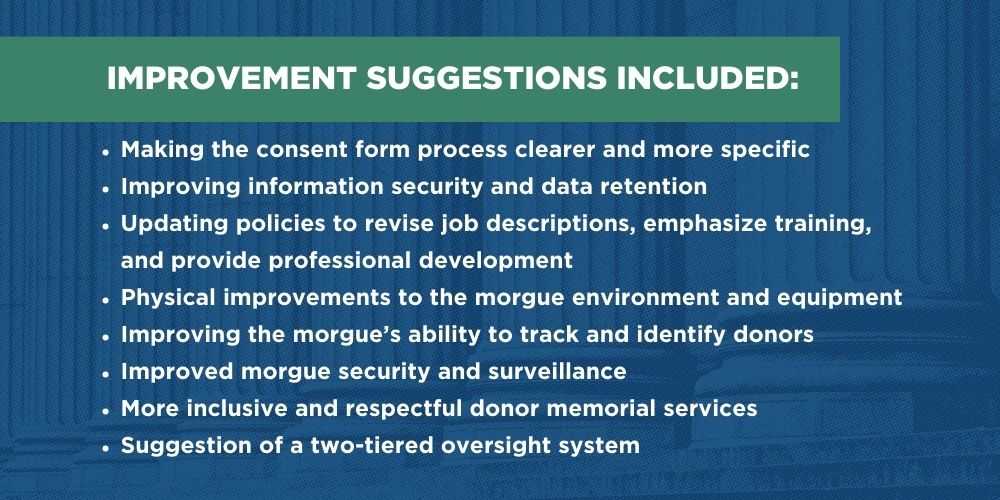
In their report, the three-member panel highlighted many necessary changes including a change in staff hiring and training practices, changes in the morgue’s security, surveillance and equipment and the suggestion for a two-tiered oversight system.
“This report clearly demonstrates that Harvard Medical School’s morgue had substantial deficiencies in their operations that must be improved. It does not, however, provide answers as to why and how this desecration of bodies happened, which reaffirms our efforts to obtain answers on behalf of the victims and their family members through this lawsuit,” says Keches Law Partner Jeffrey Catalano.
What is the Class Action Lawsuit About?
From about 2018 through August 2022, former Harvard Medical School morgue manager Cedric Lodge sold body parts that had been donated to the school on the black market.
Lodge, 55, of Goffstown, New Hampshire, was indicted and arrested and charged with unlawful interstate transport of stolen human remains. Lodge was one of five people charged in the scandal, none of whom were associated with the university. Investigators believe that Lodge worked without cooperation of anyone else at Harvard Medical School or Harvard University.
Catalano, who specializes in medical malpractice cases, said when someone suffers the trauma of losing a loved one, “sometimes the only thing they can latch onto is that their loved ones’ remains are going to be used for an important scientific purpose. Harvard owed a duty of care to the families who entrusted the school with custody of their loved one’s donated bodies.”
Since filing the class action suit, hundreds of family members of victims have reached out to Keches Law. It is estimated that more than 400 donors may have been affected by the thefts.
What is the Summary Report on the Harvard Medical School Anatomical Gift Program?
In June, after Harvard learned about the theft and sale of body parts from their medical school morgue, the school named a panel of specialists to evaluate the anatomical gift program. It wasn’t until December that the school announced the results.
In fact, the report has been delayed twice—originally it was going to be released by the end of the summer, and then by October.
The 26-page report was released on Thursday, Dec. 7.
When Harvard learned of the thefts and sale of donated body parts, letters were sent out to family members of donors who officials knew were impacted as well as others who they could not rule out potentially being affected. At the time of the letters being sent out, the school also said it was having the report made to offer “constructive feedback and recommendations to improve the security and integrity of the program.”
The school had not made a second communication since the initial letters until the report was released.
On Dec. 7, Harvard Provost Alan M. Garber and George Q. Daley, Dean of the Faculty of Medicine, mailed letters to registered, living anatomical donors who have chosen to will their bodies to the Harvard Medical School Anatomical Gift Program.
“As a critical next step, we have appointed a task force chaired by HMS Dean for Medical Education Bernard Chang to review the panel’s recommendations and to develop an implementation plan in an expedient and thoughtful manner,” school leaders said in the letter.
What Did the Report Suggest?
The report made numerous suggestions for how Harvard can improve their anatomical gift program to avoid such dramatic oversights.
Keches Law Group is Here to Help
If you or someone you know was impacted by this, fill out the form below. Our skilled attorneys can help you through every step of the process.
Marcia Raphael Says Her Condition Isn’t ‘Cookie Cutter’
Keches Law Senior Paralegal Marcia Raphael was born with epilepsy and has faced and overcome obstacles her whole life. She became a paralegal after being fired from her job just for having epilepsy. She fought for her rights, fell in love with the work and pursued a career in law. Recently, she took a few minutes to talk about what her life is like with the neurological condition, and what she wishes others knew about epilepsy.
So my name is Marcia Raphael. I am a senior paralegal at Keches Law Group. I’ve been here for four years now and I’m an epileptic.
Mark Burridge
Can you describe what epilepsy is and how it affects you on a day-to-day basis?
Marcia Raphael
So epilepsy, in a nutshell, is an overactivity in the brain that causes reoccurring seizures and how it affects me on a day-to-day basis is that I have to always watch how all of my activities are, like, it affects everything that I do. I have triggers and they cause symptoms, so I have seizures that are tonic-clonic and those are convulsive seizures. I have those about once a month, and then I have the absence seizures, which can happen about 16 times a day, and that’s with medication.
With that, those seizures themselves cause symptoms. So even though you’re seeing the seizure, it can cause fatigue, it can cause confusion, it can cause body aches. It can cause a whole bunch of things that I have to navigate in my daily life. So not only am I navigating my triggers, I’m also navigating the symptoms of the seizures. And then with regard to the triggers, triggers are everywhere in life. I always say that my trigger is life itself. Because everything can be a trigger, I have to keep myself kind of in the middle of everything. Can’t be too, too hot, too cold, too anything. So I always have to moderate myself.
Mark Burridge
What would happen if you didn’t have medication?
Marcia Raphael
I would have uncontrolled seizures, so that would mean that I would just seize without limitation. And unfortunately, that could have detrimental consequences.
Mark Burridge
Can you tell me about the different types of seizures you experience?
Marcia Raphael
So I have tonic-clonic and I have absence seizures. So tonic-clonic are the convulsive seizures where again part of you becomes rigid in some way. So let me take a step back.
Generalized epilepsy means that you have seizures on both sides of your brain, so you become absent in your brain. You’re like, not present. So the tonic-clonic means that you’re not present, but you’re also becoming rigid in some way, and usually a part of you is twitching or convulsing. And usually, it’s just you’re a complete convulsive seizure. But it can be just a partial convulsive on one part of your body.
And then there’s absence seizures where it can be, can last anywhere from like 10 seconds to 60 seconds. And those are harder to tell and a lot of times I have to accommodate those kind of things because when I have conversations, people don’t realize I’m having them. And I have to fill in the gaps of what they’re talking about or ask them to repeat what they’re saying and explain that I’m not trying to ignore them.
I’m literally just, I missed something that they were saying because to me it’s like a blink. It wasn’t even a couple of seconds. It was me blinking. Sometimes they even walk away and I don’t even realize, it’s like magic. The person just disappeared to me. So it really is a polarizing kind of experience because to them, I’m just standing there, not responding, and it can be kind of like I’m ignoring them, but to me it was just a blink.
Mark Burridge
Does epilepsy affect you even while you’re relaxing.
Marcia Raphael
It does, so, as I said, I have to moderate myself. I can never be too much of anything. So if I’m too excited or too relaxed, it does affect me. So even when I’m relaxing watching TV, reading or something. I tend to try and still do other things to occupy myself in some way, because otherwise I have increased absence seizures.
So there literally is no way for me to be too much of anything. I always have to live in the middle. So again, if I’m too cold, too hot, too stressed, too anything, I have to really moderate myself and live in the middle of everything.
Mark Burridge
Do you feel like people understand what epilepsy is?
Marcia Raphael
No, I do not think that people understand what epilepsy is. I think that people have an idea from maybe TV or hearing about epilepsy. They specifically think that epilepsy simply is like tonic-clonic seizures. The convulsive seizures, that’s their main idea of what seizures are and then they might think of like the basic triggers of like the flashing lights. Maybe noise causing some kind of epileptic episode, but for the most part, that’s all that they really understand. There’s so many different types of epilepsy that the ones that are absent or partials, they forget that those exist. And those are just as important as the convulsive seizures.
And then the actual seizure, like I said, is not the only part of being an epileptic. It is the symptoms that are involved after the aftercare because there’s a lot of times that the symptoms last days or weeks and we have to deal with the aftermath of that for so long that it, it matters.
Mark Burridge
How important is it to educate the people around you about epilepsy?
Marcia Raphael
Oh, it’s imperative. I find it imperative for myself anyway, because of my safety. By educating people, it’s creating a conversation that I’m educating them on my epilepsy and it’s important because epilepsy is not a cookie cutter disorder. Every epileptic has their own set of triggers. They all have their own set of needs. So if they try to give care to me, that might be for someone else with epilepsy, it might be detrimental to me again. So it’s very important for me to educate the people that are around me on a daily basis on what I actually need and it’s imperative that we have that kind of conversation. So and also it’s imperative for their safety as well, because if they try and do something that might be like restraining me in some way, I could hurt them as well and I don’t want to do that. So the conversation is needed so that both parties are safe.
So in my past when I was working, I experienced some discrimination. Specifically, I was let go because I was an epileptic, and I realized that, that was a violation of my rights.
No one told me explicitly that it was, but I had a feeling that it was, and I decided to do my own research, and upon doing my research, I contacted the Massachusetts Commission Against Discrimination and I fought it all the way through, and that’s what made me learn to love the law because I realized that there’s people out there that don’t understand that they have rights and I wanted to make sure that other people’s rights weren’t violated in some way. So I just learned to love the law because of that.
Mark Burridge
How has your experience been at Keches Law?
Marcia Raphael
My experience at Keches Law Group has been refreshing, to say the least, and I don’t say that lightly.
I have worked at different places and I really do feel like, not only with management, I’m talking about on a pure level, people have been very open with dealing with me and my epilepsy and wanting to communicate and learn. And then on the management side with dealing with my direct attorney, with dealing with HR, again, there’s been an open communication about wanting to learn, wanting to educate people, wanting to make sure that I have whatever accommodations that I need.
It’s been very refreshing and very inclusive because I really believe that Keches Law Group is looking to be inclusive.
When you’re outside of work, what do you like to do?
Marcia Raphael
So of course I love being with my family, but you know, I’m a nerd. I like Star Trek. I love the MCU. I love DC Comics and all that kind of stuff. So I watch a lot of those things. I read. I love Harry Potter, so I’m a Potterhead and that’s just of what I do on top of cooking and things like that for my family and friends, because that’s what I love to do.
Again, I go back to if I you know, watch TV specifically the MCU, because I love Marvel Comics. I love watching like Doctor Strange and Spiderman. I couldn’t watch the last couple of movies because specifically Doctor Strange is in them and I can’t watch him because he does a lot of the magic and there’s a lot of flashing lights in them and I just can’t view movies that have that kind of stuff in them, so unfortunately I’ve missed several of the last Marvel comic movies. But when I do watch TV again, I can’t be too relaxed. So a lot of the times I crochet while I watch TV, keep my hands busy, my mind busy while I’m watching TV so but that’s what I like to do outside of, you know, work.
Mark Burridge
What is one thing you’d like people to take away about epilepsy?
Marcia Raphael
One thing that I would like people to take away about epilepsy is that it’s not cookie cutter. It is so important to have a conversation with the epileptic that you’re dealing with. Without doing that, it is dangerous, first of all, but it’s also disrespectful and you always want to respect the person that has the disability. So, it’s not cookie cutter. Everyone is different. Have a conversation. I implore everyone to do that.
“The tremendous satisfaction of prevailing for my clients and knowing that it is extremely meaningful to them and their families,” he says. “It’s many times a life-changer!”
“It has been, and continues to be, a privilege to help my clients through some of the most challenging times in their lives,” she says.
So what counsel can the lawyers at Keches Law impart to law students and new attorneys? Keep reading to see what they say about law school, starting out in a law career, continuing to learn and more!
Advice for Students Considering Law School
The team is always looking to grow, and before people can grow into valuable attorneys, the first step is to go to law school. So if you’re thinking about law school, what factors should you consider?
Where should I go to School?
Partner Jeff Catalano said the location of the school is a very important factor that many students don’t take into account before choosing which law school to go to.
“Think hard about going and where you want to go,” he says. “Where you go may end up being the location where you practice.”
According to U.S. News and World Report, it can be difficult to get law clerkships or fill job openings out of state from where you went to law school and classes may be geared towards rules and subjects of the particular state’s bar exam.
Catalano says law school is both very expensive and all-consuming, so going into it with the right attitude and motivation is vital.
“Be sure to talk to lawyers to get their impression on law school and their career. But consider that one’s experience in law school may not be the same as being a lawyer. I didn’t enjoy law school, but love being a lawyer,” he says.
Am I Sure I Want to Go to Law School?
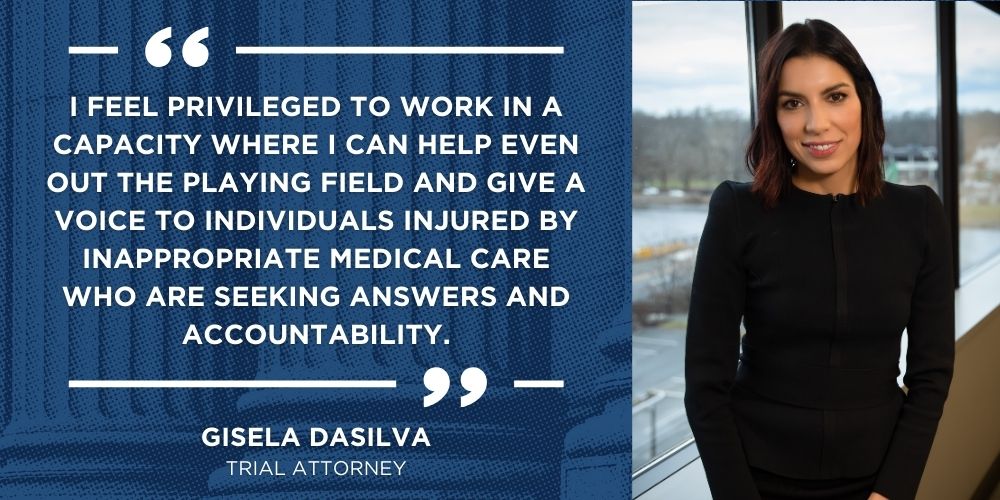
Trial Attorney Gisela DaSilva says students need to know that because of the cost and time it takes to become a lawyer, it is important to know that you are doing it for yourself and not for anyone else.
“Make sure that you are doing it because you want to, and not to meet the expectations or wants of someone else,” she says. “Then identify your long-term goals and what you truly want out of life. If you do not need a law degree to get there, think very carefully about whether enrolling is really the right decision for you.”
Will Law School Have Me Prepared?
Laskoski says that although law school will help you, be sure to look for externships as well.
“I’d also suggest to those applying to law school to take a look at the externships and programs available,” she says. “Law school is a lot of reading, classroom time, and there is a big focus on preparing for the bar exam. But getting real experience at a law firm or in the courtroom is more valuable than you know and will set you up for success after graduation.”
Go For It!
Bergel encourages people who are considering law school to take the plunge.
“Our country and world needs strong advocates. There is so much unfairness out there. From where I sit, the ‘little guy’ is only getting more and more beaten down by big business and insurance companies,” he says. “Hard-working, good people are increasingly being treated without respect or dignity. There is much to fight for!”
If students go through law school, pass the bar exam and become a lawyer, in many ways, they’re just starting. Attorney Sarah Farrell says she wishes someone had told her to reach out to the attorneys around her when she first started.
“When I first became a lawyer, I wish I knew how willing other attorneys throughout the legal field would be to teach and help you learn,” she says. “Not just at my firm but also the various Bar Associations and different law school alumnae associations.”
DaSilva wishes she had been kinder to herself when just starting out, stressing that mistakes are simply part of life.
“It is part of the learning process. There is very little that is truly unfixable,” she says. “Learn from your mistakes and use the experiences to become a better attorney.”
In fact, Laskoski says new attorneys need to know that they won’t ever know all the answers.
“Each case, client, and situation we deal with are unique,” she says. “There isn’t always one right answer or one correct way to do things; sometimes you have to just trust in yourself.”
Stress is a major consideration. Lawyers have very busy schedules and when just beginning their careers, have a lot to learn as well.
“It can feel overwhelming, and you can become vulnerable to imposter syndrome,” Catalano says. “Just know that becoming a good lawyer is a life-long endeavor that rewards those who remain dedicated, hardworking, and involved in their legal community.”
Practicing law is a pursuit that involves lifelong learning. You can absorb everything that is important to do the job—go to school, and train under fantastic peers and mentors, but the truly great ones never stop learning. Farrell says the amount an attorney can learn is always growing.
“Even the most experienced attorneys are always educating themselves on the newest developments,” she says.
And chances to learn are seemingly endless. DaSilva says new developments in the law and learning opportunities come up on an almost daily basis.
“I am learning that it is critical to find a method to screen, identify, and prioritize the material and opportunities in a way that will help me the most and be most beneficial to my practice,” she says. “This is a work in progress.”
People find their careers for different reasons. Maybe you discover a skill that you excel at. Or maybe you love to do something and work hard to be good enough at it to make it a career. Keches Law’s attorneys are no exception. Steve Bergel fits into several of these categories.
“I wanted to become an attorney because I enjoy public speaking and fighting for just causes,” he says. “Unfortunately, there is plenty of injustice in this world and serving as the mouthpiece for those being taken advantage of and treated unfairly, is a very powerful and rewarding thing.”
Others didn’t start out wanting to become an attorney, but learned it was the career for them along the way. Catalano started out as pre-med, and after a change graduated with a philosophy degree. He eventually found that what he was really looking for was a career that would allow him to make a difference.
“I am very fortunate to have developed a practice where I feel fulfilled by helping others who have been tragically injured through someone else’s negligence,” he says. “Also, I feel that injury lawyers, collectively and over time, make the world a safer place.”
Farrell says she never thought about working as an attorney growing up but became interested in the legal side of her biology courses during her undergraduate studies. When she became a lawyer, the clients she represents became her favorite part of the job.
“By having that personal aspect, it makes you substantially more motivated to do the very best for your client while also feeling very rewarded when justice occurs,” she says.
What Sets a Career at Keches Law Apart?
Keches Law Group is one of the largest and most well-respected law firms in Massachusetts. Since 1986, our firm has earned more than $2 billion in verdicts and settlements for our clients. With such high standards and such a long track record of success, Keches hasn’t lost the personal touch with our team members.
“Keches’ culture and environment is one where its employees and attorneys are encouraged and given the resources to be the very best versions of themselves and to reach their full potential,” DaSilva says. “Keches values its people – that is not true of all firms. These values and belief systems come from the top; I believe.”
Steve Bergel is in the unique position of still being fairly new at Keches Law, now one year in, but having practiced workers’ compensation law since 1988.
“There is an incredible sense of team and connection to each other. The support system and resources are second to none,” he says. “Sean Flaherty sets a high bar both professionally and personally. Our commitment to our clients and the community at large is unparalleled. There is so much enthusiasm and purpose here. I have never been more satisfied with my career and look forward to the future with great excitement!”