On Thanksgiving we take the time to acknowledge all we have to be grateful for and do so while breaking bread with family and friends. There’s no better way to express the sense of gratitude than to spend time serving others, and on Friday, November 17, Keches Law did just that.
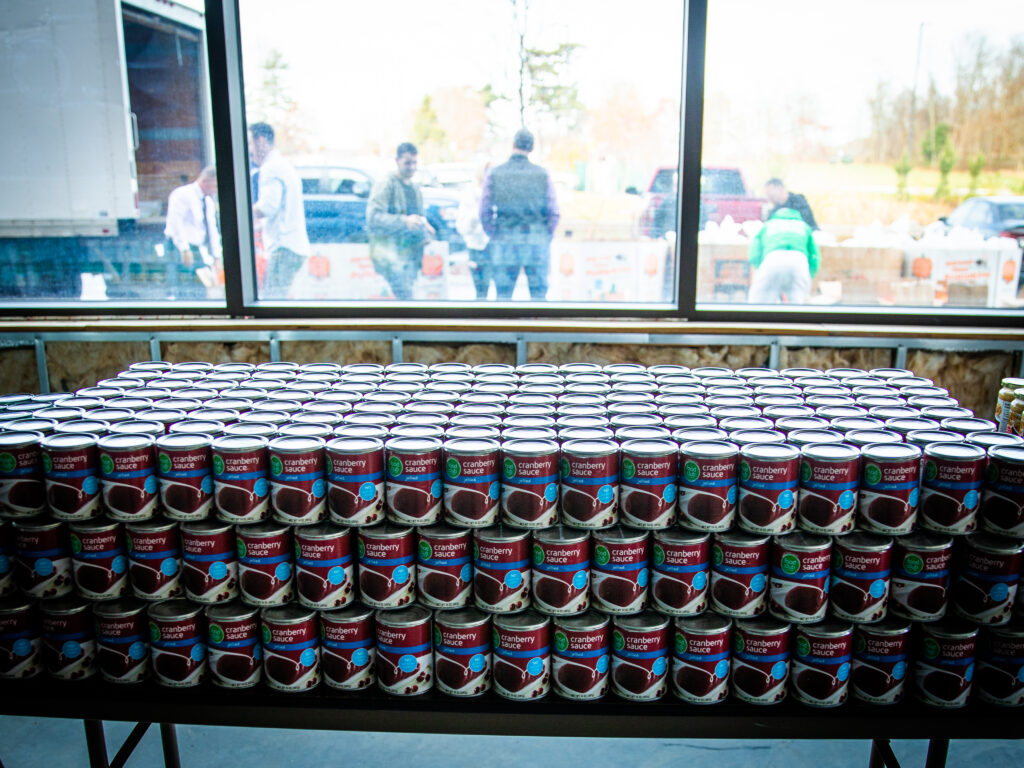
Keches Law team members worked together to pack bags with everything someone would need for a traditional Thanksgiving dinner and delivered the over 500 meals directly to recipients’ doors.
“We are fortunate to have a successful firm, loyal hardworking team members, and an insatiable drive to help the families in our communities who need it most,” Sean Flaherty says. “We’re happy to help so many families fill their Thanksgiving table so they can get back to what the holiday is all about—enjoying time with family, friends and loved ones.”
The process started halfway through the day on Friday. Keches team members took a break from their work, met at the Bridgewater office, and packed all the food into bags. Then they split off into small groups and delivered the food directly to the recipients.
When a recipient looked into the bag, they found a turkey, cans of cranberry sauce, green beans and corn, boxes of mashed potatoes, stuffing and brownie mix, a jar of gravy and a jar opener.
“I just wanted to reach out and say thank you again for the Thanksgiving turkey and all the sides you gave me and my daughter,” one recipient said. “It helped make our Thanksgiving dinner and day so much better. We really appreciated it. We are so grateful for your help this holiday season.”
As the deliveries came to a close, Keches employees Caroline Dixon and Samantha Moriarty really went the extra mile. After having trouble locating their last recipient’s house, the two spoke with a mail delivery woman who informed them the recipient had moved away and weren’t going to be able to receive the meal.
However, the delivery woman also told them a disabled veteran lived nearby who would be very appreciative of the donation. Dixon and Moriarty said he was very grateful and the exchange left them all near tears of joy.
This was the third consecutive year that Keches Law has held our Thanksgiving meal drive event, just one of countless charitable efforts the firm makes on a yearly basis. In 2023, Keches Law has donated over $300,000, in addition to our attorneys’ pro bono case work and community-driven non-profit work. This summer, Molly Harrington was chosen as the Keches Law Scholarship winner, which she is using to help her attend school to be a nurse this fall.
Keches Cares is the non-profit 501(c)(3) charity founded by Keches Law Group. Throughout the year, Keches Cares raises funds to support scholarships, community programs, and families that are impacted by tragedy.
If you know of an organization that use our help, let us know!
A pipefitter who’d been on the job for decades was severely injured at work in 2012, but thanks to the hard work of Keches Law Attorney Kelli Silva, he will have total disability payments for the rest of his life.
The benefits awarded to Silva’s client are especially incredible considering that originally his insurer attempted to discontinue his benefits entirely and all offers made prior to the hearing only considered partial disability exposure.
“When an insurer undervalues a claim, moving forward with zealous advocacy for your client is the only option,” Silva says.
Silva’s client, a 64-year-old Massachusetts man who worked as a pipefitter for 40 years suffered a serious shoulder injury while just doing his job in December 2012. He was tightening an old rusty bolt when he heard a pop in his shoulder, an injury that changed everything for him. He tried to continue working for several years after the injury but eventually had to stop entirely in 2020.
From 2021 to 2023, Silva’s client lived with the reality that his disability payments may stop coming because the insurer thought he was able to return to work and should stop receiving his payments.
Keches Law Retained
Kelli Silva took on the case and in 2022. She joined a claim for permanent and total disability benefits to the insurer’s discontinuance request, which led to a hearing in March 2023. Before the hearing, the insurer rejected the argument of permanent and total disability, valuing the case as only a partial disability claim. The insurer was arguing that the employee could work in some capacity and therefore should only qualify for partial disability.
However, Silva argued that not only was he totally disabled but he was “permanently and totally” disabled because based on his age, education, past work and the severity of his condition, he will never return to the workforce again.
The distinction was important. Permanent and total disability pays the claimant 66.6% of their pay for the rest of their life while total disability only covers 60% of someone’s pay for 3 years.
When the hearing was over, the judge awarded Silva’s client permanent and total disability payments from December 2021 onward at a rate of over $60,000 per year. In addition, the judge ordered the insurance company to pay for all related medical treatment.
Silva’s client had a life-changing result because of his hearing. Silva’s hard work to do right by her client and help him not just get by, but thrive, perfectly highlights what we hope to accomplish at Keches Law.
Whether you’re commuting for work, hitting the road for a holiday road trip or catching a flight to see family and friends that live far away, traveling during the holiday season is full of potential hazards.
In 2023, 55.4 million people were expected to travel over Thanksgiving weekend alone, according to AAA. Read on to find practical tips to help you make your way through the seasonal commute, long road travels and the skies. Keep your holiday travel a smooth and safe experience, so you can focus on what’s important—making memories with family and friends.
On a Long Car Ride? Avoid Injuries With These 4 Tips for a Safe Trip
Before any of the winter holidays, it’s a given that family and friends will be traveling long distances to see each other. In fact, about 91% of long distance holiday travel is taken by personal vehicles. Here are 4 precautions to take to make sure you’ll avoid a personal injury on your journey.
1. As usual, drive safely. It may seem obvious to take your time and obey the rules of the road, but during the holiday season, roads becoming even busier as millions of travelers hit the road. Holiday travel is associated with a higher risk of accidents, so keep your eyes on the road and two hands on the wheel while minimizing distractions.
2. Plan for winter conditions. Snow and ice can make winter roads unpredictable. Before you leave the driveway, make sure you’ve kept up with proper maintenance on your vehicle to reduce the risk of accidents. While you’re at it, stock your car’s emergency kit with blankets, first aid supplies, and non-perishable food.
3. Plan to avoid traffic. Traveling during is a great way to avoid heavy holiday travel traffic, since you’ll be on the move when others aren’t. Specifically, try to drive through cities before 2 p.m. The worst hours to be stuck on the road are between 3 p.m. and 7 p.m.
Up, Up, and Away: Stay Safe During Holiday Air Travel
Everyone knows how hectic a trip to the airport can be during high traffic flight times—and before any winter holiday is definitely busy, but don’t let that affect your safety.
The Federal Aviation Administration (FAA) emphasizes the importance of following flight attendants’ instructions and locating the nearest emergency exits. You need to know what to do in an emergency. Before the plane leaves is the time to learn it.
Flights are long, tedious and require a lot of sitting. Moving your legs and feet while seated can help prevent blood clots, or deep vein thrombosis, a condition associated with long flights. In addition, because of the high altitude and reduced oxygen and humidity, flights can actually dehydrate you. Drink water and avoid caffeine and alcohol while flying to combat the effects of dehydration.
If you have a specific medical condition, consult your doctor before flying. Carry necessary medications and medical records, just in case. Be prepared for any situation, even at 30,000 feet.
The Holiday Season, Your Commute and Avoiding Car Accidents
In between the long car rides and flights, there’s still a work week. Be sure you’re considering the holiday season with your daily commute. Whether you work at a job site or an office, there are changes that will affect your drive in.
Check public transportation schedules.The MBTA will close during holidays and during other observed days. Whether you’re using the T in Boston, or plan on using public transportation somewhere else, don’t assume the schedule will be the same this time of year. Look it up!
Allow for extra time. With more cars, comes more slowdowns. Be prepared for your commute to take a little longer. If you can, leave a little earlier, and be sure to have the “I’ll get there when I get there” attitude.
Consider working from home. If your employer allows it, avoid holiday traffic all together by working from home during the holiday season.
Don’t drink and drive.The night before Thanksgiving is statistically the night of the year with the most drunk drivers. But the trend continues throughout the weekend. According to Mother’s Against Drunk Drivers, the weekend immediately after Thanksgiving is the most dangerous of the year. Be careful on the road around Thanksgiving and all other winter holidays, and of course, don’t drink and drive.
Stay Safe on the Roads and Know We’re Here to Help
During the holiday season you want to be spending time with family and friends, so make sure you’re staying safe while traveling. But if something happens, know that the experienced personal injury lawyers at Keches Law Group are here to help.
Contact us today with any questions or to request a free case review.
BOSTON, MA (November 13, 2023) – Best Law Firms® Independent Rankings named Keches Law as a top tier firm for Product Liability Litigation in the Boston area, Workers’ Compensation Law in Southeastern Massachusetts and the Cape and Islands region and Medical Malpractice Law in Worcester.
“We’re incredibly proud of the hard work our talented lawyers and team members put in every day for our clients,” Sean Flaherty, Keches Law managing partner says. “Accolades like this support what we already know, that our staff is truly special.”
The rankings are based on qualitative and quantitative data on legal skillset, achievements and client successes collected through a submission process managed by Best Lawyers.
This year’s rankings were distributed to more than 30,000 C-Suite and in-house counsel and were evaluated from the largest participation pool to date—more than 97,000 client submissions, more than 2.8 million Best Law Firms votes on ballots and more than 13.7 million evaluations of more than 23,000 firms.
The 2024 Best Law Firms rankings can be accessed at bestlawfirms.com.
About Keches Law Group
Keches Law Group is one of the largest and most well-respected personal injury and workers’ compensation law firms in Massachusetts. Since opening in 1986, the group has recovered more than $2 billion for their clients and has supported unions and fights for the rights of people injured on the job throughout the greater Boston area, Rhode Island, New Hampshire, and Connecticut. Other practice areas include social security disability, employment law, class action, medical malpractice, and more. Keches Law Group also prioritizes community involvement and charitable causes through their non-profit organization, Keches Cares. For more information, visit the Keches Law website or follow them on Facebook, Instagram, Twitter, and LinkedIn
Halloween is more than just a night of costumes and candy; it’s a celebration that brings together friends and family, strengthens community bonds, and sparks creativity. As children dress up as their favorite characters and go door-to-door collecting treats from neighbors, it’s hard not to get caught up in the spirit of spooky season. But before you head out to trick-or-treat with your adorable superheroes, ghosts, princesses, or pop icons out on Halloween, it’s important to think safety first.
Keep reading to learn tips about costume, driving and pedestrian safety and how to avoid a personal injury after trick-or-treating this year.
Disguise and Shine: Halloween Costume Safety
Before you head out on Halloween trick-or-treating, you need to pick out a costume. Whether it’s something topical, like a costume from a popular YouTube video or movie or an old classic like a ghost or mummy. Whatever you choose though, make sure it’s safe to wear out in public or even around the house.
“Our primary concern is kids running through neighborhoods at night,” says Bridgewater Police Chief Christopher Delmonte. “It’s helpful for kids to wear something reflective that makes them more obvious to see.”
Here are some other things to consider when planning Halloween costumes.
Wear a flame-resistant costume. It may seem like overkill, but it’s an important safety measure that can significantly reduce potential fire hazards, ensuring a safer Halloween experience for all and don’t forget to be aware of lit pumpkins on your travels.
Wearing a mask can make it harder to see. Choose the safer alternative of putting on a hat or wearing makeup! Remember to test any makeup well in advance so you know it won’t give you a rash or other reaction. Don’t forget to remove any makeup before going to bed to prevent skin and eye irritation.
Contact lenses are a tempting accessory to add to your costume for that extra something to bring it all together. But remember that unless you get your contacts from an optician, you are leaving yourself vulnerable to eye injury.
Street TREAT: Pedestrian Safety
Pedestrians are always vulnerable, but on Halloween, the chance of danger is even higher than usual. When you go out to fill your bag with candy, make the night a TREAT, before you get a trick instead.
“It’s a good idea to go to neighborhoods that are condensed,” Delmonte suggests. “Main roads or busier side streets are tougher.”
When you have your trick-or-treating route planned, don’t forget TREAT.
T– Take a flashlight. Although it is important to bring a flashlight with you to see where you’re going when it gets dark on Halloween, the primary reason this item is essential is because it identifies pedestrians to drivers. Give the kids a flashlight so cars can easily identify them. Don’t have a flashlight? Glow sticks and cell phones work too.
R– Responsible adult. Young children need to be accompanied by a responsible adult. This supplies trick or treaters with an added layer of protection and guidance. Similarly, if not with an adult, trick or treaters need to use the buddy system to make sure everyone gets home safely.
E– Embrace road rules. When walking through neighborhoods, the center of town or a crowded street, make sure you are following the rules of the road—stick to sidewalks and crosswalks and obeying traffic signals whenever possible. When there isn’t a sidewalk, stay as close to the curb as possible.
A– Attention. A key rule of driving on Halloween is keeping your eyes on the road while driving – but this goes for pedestrians as well! Don’t be guilty of distracted walking by looking at your phone or letting your mind wander. And make sure you walk, don’t run.
T– Try to be seen. Wear bright colors, fluorescents, glow in the dark, or flashers, so that everyone will recognize you right away. Stay on brightly lit sidewalks when possible. Sometimes the best way to prevent an accident is by making yourself known.
Spooktacularly Safe Driving
As the sun goes down on Halloween night, it’s crucial to address the role of drivers. With trick-or-treaters, parents, pets, and younger siblings out on the road, drivers need to be extra cautious, especially in residential areas.
“We tell drivers to go half the speed they normally go no matter where you are,” Delmonte says. “Expect kids to be on the side of the road. Generally, pedestrians know what they are doing, but kids are sometimes more concentrated on their costume and the next house than the road.”
Here are 5 tips for drivers to consider when taking to the road on Halloween.
Go slow and focus. There are more pedestrians on the road during trick-or-treat hours and far more of them are children than usual. Consider this when you are traveling and go well under the speed limit. Take your time, pay attention, you’ll get there when you get there.
Watch the road. There are more distractions for drivers than ever before: Cell phones and other mobile devices, car entertainment systems, eating and drinking, checking maps, fixing hair or makeup or even just daydreaming. With trick or treaters out, you need to get from point A to point B safely. Kids are smaller than the average pedestrian, making them harder to see, and they could jump out into the road anytime.
Check the typical places. Kids will be on sidewalks, crosswalks, the sides of roads and in driveways. You may not see them unless you are specifically looking.
Don’t drink and drive. Halloween means celebrations and parties that sometimes involve drinking. More than 50 people were killed on Halloween night in drunk-driving crashes in 2020.There are other ways to get home, have a designated driver, use a ride share service Just don’t drink and drive.
Buckle in, but not in costumes. Drivers and passengers should wear a seatbelt whenever they get in a car. But, on Halloween, costumes can lead to difficulty buckling or unsafe situations. Have children change into their costumes after they’ve reached their destination, not before. That way they can be safely buckled in the car.
Other Wickedly Good Tips
Here are some other tips to consider to make sure your trick or treating goes smoothly this Halloween.
Make your clothing visible too. Apart from costumes, pedestrians, and drivers, there are additional Halloween safety tips to keep in mind. Use reflective tape on clothing in addition to costumes. In dark areas, this can mean the difference between being seen or not.
Think about pet safety. Pets are also in danger out on the road. Keep an eye out for them as well. When you get back home, make sure you keep dangerous foods away from your pets. Chocolate, raisins, and any candy containing xylitol are especially dangerous for dogs.
Don’t back up. When you park your car on Halloween, park it in a way where you won’t need to back out of the space. With all the pedestrians, specifically children, it might be hard to see if you are backing into someone.
Check that candy. The FDA advises parents to inspect candy for tampering. Make sure that any open candy is thrown away and do not consume any homemade food or candy.
Keches Law Can Help
In the unfortunate event of an accident during your Halloween celebrations, Keches Law Group is here to help. Our experienced personal injury lawyers are here if you or a loved one needs legal assistance after a trick-or-treating incident.
Contact our personal injury lawyers at Keches Law. They have the experience and skills necessary to fill you in on the options and guide you through the process no matter what you choose.
The buildup to Halloween is one of the best parts of the holiday. From buying costumes, decorating your home, preparing to go trick-or-treating or just hanging out and watching scary movies, the entire spooky season is a ton of fun.
The spirit of the season doesn’t need to be lost at work, but according to the Consumer Product Safety Commission, an average of 3,200 Halloween-related injuries are treated at U.S. emergency departments each year. So how do you celebrate in a way that is fun, work-appropriate and safe?
Read on to hear tips for how to safely address costumes, decorating, parties, and other Halloween celebration ideas at the workplace.
Halloween Costumes and Candy
Costumes and candy are two things that instantly come to mind when you think about Halloween.
But before you dress a certain way or distribute candy to coworkers, make sure you’re incorporating them into the workplace with care.
Wearing Halloween costumes can be fun, and you can even consider a costume contest at your workplace. But have clear guidelines for appropriate and safe costumes.
Have clear rules on masks and face paint. Masks can be triggering and make some people uneasy, and some costumes can make the workplace feel unsafe for some employees.
Candy is an obvious food to include at the office during Halloween, whether it be during a trick-or-treating event, or at a party. But when it comes to candy or other Halloween treats, be mindful of your coworkers’ allergies.
Halloween Decorating Safely at Work
Halloween decorations can change your workplace into a scary fun place to be during spooky season. But it’s critical to choose Halloween décor that doesn’t compromise safety. It’s a good idea to avoid inappropriately gory decorations or surprising pop outs as they can be triggering or offensive. Here are some suggestions for how you can decorate your workspace safely and appropriately.
Think about fire safety. Opt for flame-resistant or flameless decorations to reduce the risk of fires. If you plan to use lights or electronic decorations, check to see they are in good condition, won’t cause shocks and don’t overload electrical outlets.
Don’t interfere with people’s work. Decoration rules aren’t one-size-fits-all—depending on your work environment, you have different safety requirements. If there’s dangerous machinery around, your rules should address them. If you work in an office, they should be tailored to that. No matter where you work, employees should be able to move around without worrying about obstacles.
Exits should be available. All employees need to have access to emergency exits. Decorating is fun, but in the event of an emergency, you and your coworkers need access to an exit without having to maneuver around decorations.
Be safe on ladders.Inspect ladders before use, never step on the top rung, and only use it on a level and stable surface. A fall from a ladder is an easy way to get injured at the office.
Don’t offend. Halloween is all fun and games until something is a little more scary than appropriate. Horror themes that lean toward more violent can make some people uncomfortable. Jump scares are fun for some people but can create an uneasy environment for others. Before bringing in any decorations, find out what your company approves of.
Halloween Work Parties
A party is a fun way to celebrate Halloween at work. The decorations are hung, the costumes are on, and now everyone just has a chance to relax and have fun. Here are some ideas to consider when planning your work party during spooky season.
Be clear about alcohol at parties. If your workplace hosts a Halloween party, be sure the rules about alcohol consumption are very clear. If alcohol is being consumed, have a plan for designated drivers or a car ride service made available.
Host a cauldron-luck lunch. Halloween parties are always a lot of fun, and an easy to organize and safe way to go about it is with a potluck lunch. Ask for Halloween-themed submissions but be mindful of allergies and food safety.
Be careful while carving pumpkins. On average, 55% of Halloween-related injuries are related to pumpkin carving. Cutting pumpkins with sharp knives includes inherent risk. But there are safe alternatives. Allow jack-o’-lanterns carved at home to be brought in, or have a pumpkin decorating contest, with paint instead of knives.
Host a cauldron-luck lunch. Halloween parties are always a lot of fun, and an easy to organize and safe way to go about it is with a potluck lunch. Ask for Halloween-themed submissions but be mindful of allergies and food safety.
Put on some Halloween movies. Set aside a specific spot where Halloween movies are shown either all day or during specific time periods. Remember, the film needs to be appropriate for the workplace, there are lots of fun Halloween films that won’t offend.
A Recap for Employers
As an employer, you are key to making sure Halloween is a fun, safe, appropriate holiday for your employees. But what can you do to make sure the holiday comes and goes without incident or injury and instead is a good time for everyone? Put your employees and their safety first with this recap.
Consider your work environment when setting standards. Loose clothing isn’t safe in a manufacturing environment because it could be caught in machinery. If your work has you in the heat or cold, temperature-appropriate costumes are needed. Think about what people need to avoid wearing to stay safe at work.
Establish the rules early and repeat them often. Are you not allowing masks because of potentially upsetting someone? Are you going to allow alcohol consumption at a work event? If everyone knows the answers to what they are or are not allowed to do, it will prevent issues well in advance.
Make a costume policy. When it comes to Halloween costumes, decide what is not allowed first. It is probably a good idea to keep politics and religion off the table. Gory or offensive outfits can also lead to problems. Lastly, discourage costumes that make fun of anyone, but especially coworkers or employers.
Always remember, safety first. Whether it be decorating, party rules, costumes, or anything else, consider safety to prevent a workplace injury.
Remember the point of the celebration. Not everything will be for everyone. That’s okay. But it isn’t okay if certain people are left out or are made uncomfortable by the celebration. Talk to your employees and find out what they want the celebration to be. Maybe it isn’t even a party—group volunteering or leaving early on the day itself can be alternate ways of celebrating.
Keches Law Can Help with Halloween Workplace Injuries
Accidents happen, even during Halloween workplace celebrations. In these situations, Keches Law is here to assist you.
If you’re injured during a workplace Halloween event, our team specializes in workers’ compensation cases. We’ll guide you through the process, ensuring you receive fair compensation for injuries sustained during office festivities.
BOSTON – The Boston Bruins and Keches Law Group announced today, October 10, a partnership naming Keches Law Group as the “Official Injury Law Firm of the Boston Bruins.”
In addition to their partnership and designation as “Official Injury Law Firm of the Boston Bruins,” Keches Law Group will now have the ability to use Boston Bruins marks and logos for sales and marketing purposes. During the upcoming Bruins seasons, Keches Law will also have marketing assets during all Bruins home games, including advertising on the TD Garden dasherboards along the ice, virtual marketing inventory on the dasherboards during NESN television broadcasts, LED advertising on the LED rings in the TD Garden arena bowl, and exclusive branding of one of the two TD Garden ice resurfacers.
As one of the team’s official partners, Keches Law will also offer fan engagement opportunities for multiple children 12 and under to be able to sit on the Bruins bench during pre-game warmups, providing life experiences for kids each season.
“The Boston Bruins look forward to strengthening our partnership with Keches Law Group,” said Boston Bruins President Cam Neely. “Keches Law has a demonstrated history of protecting the rights of those facing difficulties after an injury, and we’re proud to have them as our Official Injury Law Firm.”
“We’re thrilled to be an official partner of such a historic hockey team. As one of the original six teams in the National Hockey League, the Boston Bruins encapsulate the spirit of the New England region,” said Sean Flaherty, Managing Partner of Keches. “This partnership embodies our commitment to excellence and our passion for the community. We look forward to creating unforgettable experiences for fans, supporting the Bruins’ mission on and off the ice, and waving the flag with the team’s loyal following.”
About Keches Law Group
Since opening in 1986, Keches Law Group has recovered more than $2 billion for their clients and has supported unions and fights for the rights of people injured on the job throughout the greater Boston area, Rhode Island, New Hampshire, and Connecticut. Other practice areas include social security disability, employment law, class action, medical malpractice, and more. Keches Law Group also prioritizes community involvement and charitable causes through their non-profit organization, Keches Cares. For more information, visit the Keches Law website or follow them on Facebook, Instagram, Twitter, and LinkedIn.
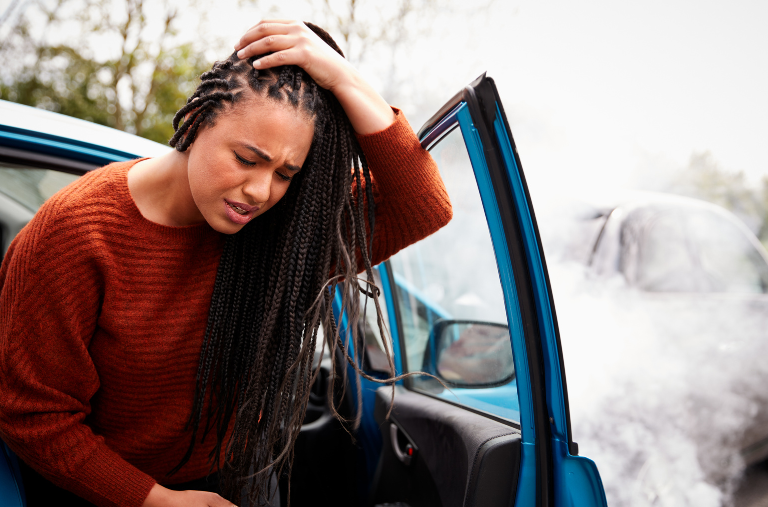
You just had a head injury. Maybe you were in a car accident, had a fall, or you suffered a blow to the head while playing sports—whatever the reason, you need to know what to do. Here are five steps to take to help you process what happened and put yourself in the best position for recovery.
1. Validate and Assess Your Head Injury
After being injured, the first thing you should do is take a moment to self-analyze. Is it a serious injury? If so, can you move? Do you feel like you can get yourself help or do you need someone to help you immediately? No matter what caused the injury, you need to take a second to clarify to yourself what you think is happening in your own body.
After you have evaluated yourself, you know how you feel, but sometimes symptoms aren’t obvious to the sufferer. If you are with people, talk to someone and ask them if you’re behaving normally. If you are alone, call someone and talk to them to see if you need to call for help.
Don’t take any unnecessary chances. If there is severe pain or bleeding, if you fell unconscious or felt sleepy or confused, or have serious neck pain, you need to call a medical professional right away.
If you are with other people, ask them to call an ambulance or doctor for you. But if you are alone, make sure you contact a medical professional to come help you.
4. Take Notes and Highlight Head Injury Symptoms
When you file a personal injury lawsuit or workers’ compensation claim, it will be vital that you have all the details of what happened. Take a minute while you wait for a medical professional and write down what happened, where it happened, and any symptoms you are feeling at the moment. If you are seriously injured and with another person, have them take the notes.
Do you have ringing in the ears, blurred vision, balance problems or dizziness, light or noise sensitivity, headaches or memory loss? Not only will documenting your symptoms and taking notes be essential in helping medical professionals treat you, it may also may prove important in any legal action that may arise.
When you’ve injured your head, it’s essential to remain calm, at rest and to avoid noise, lights and electronics. Don’t panic and try your best to keep yourself calm until help arrives.
Almost everyone’s been there. You just hit your head and you can tell that something isn’t quite right. Now you need to consider whether you might have suffered a traumatic brain injury.
Read on to learn more about TBI and what to do if you’ve just suffered from a head injury.
What is a Traumatic Brain Injury?
The words “traumatic brain injury” feel pretty big and scary, don’t they? Your mind probably goes to sports injuries, car crashes, and other extreme examples involving a direct blow to the head.
But TBIs are far more common than you might think, and they come with a wide variety of symptoms—and you don’t necessarily have to hit your head to experience one.
A traumatic brain injury can be caused by a forceful bump, blow, or jolt to the head or body or from an object that pierces the skull and enters the brain (like a bullet). But other common ways to experience one is during a fall or car accident, with the TBI occurring because of the whip of the head.
Not all head injuries result in a TBI, and not all TBIs are caused by direct impact to the head. The most common TBI is from a fall, representing 40.5% of all TBIs. Being struck is the next highest cause at 15.5%. This group includes sports injuries. Car crashes represent 14.3%, assaults cause 10.7% and 19% are other or unknown causes.
TBIs are split into two groups: penetrating TBI, which means the skull is pierced during the injury, and non-penetrating TBI, which is when the skull is hit hard enough from the outside to move the brain inside it.
In 2021, there were 190 reported deaths per day from traumatic brain injuries (TBI) and 214,000 TBI-related hospitalizations in 2020. The highest rates of patients and deaths came from people aged 75 or older, and men were two times as likely to die and three times as likely to be hospitalized with a TBI then women.
TBI can lead to short-term issues with basic functions like thinking, comprehension, communication and action. More severe TBIs can lead to permanent disability or death. While some TBIs are immediate, others can occur gradually over hours, days or weeks.
Brain damage from a TBI can be a “focal injury” – limited to one area of the brain. Or it can be a “diffuse injury” which is more widespread. Brain bleeding and tearing can injure nerve fibers and cause inflammation, metabolic changes and brain swelling.
Types of TBIs:
Diffuse Axonal Injuries. A common brain injury affecting the brain’s white matter that usually occurs from brain twisting or sudden stops and is common in car crashes, falls and sports injuries.
Concussion. A mild TBI can take several months to heal or in some cases may never fully heal. A concussion occurs when a blow or jolt makes the brain move quickly forward or backward in the skull. Lots of things can cause a concussion, but they are common in sports injuries, falls and car crashes.
Hematomas. Bleeding in and around the brain. There are several different classifications of hematomas depending on where the bleeding takes place.
Contusions. Brain bruising or swelling caused when small blood vessels bleed into brain tissue. They can appear up to a day after the injury. Contusions typically happen when the head slows down abruptly causing the brain to bounce back and forth such as in a high-speed car crash or shaken baby syndrome.
Skull Fractures. Breaks or cracks in bones that makeup the skull. These are the result of blunt force traumas.
Chronic Traumatic Encephalopathy (CTE). A neurological disorder that affects thinking, comprehension, communication, movement and can lead to problems with impulse control, depression, confusion and irritability. CTE happens after multiple blows to the head and can take years to develop. CTE can also develop in retired athletes with years of blows to the head. It’s most common in boxers, football players, soccer players, rugby players and wrestlers are also at heightened risk.
Depending on how your head was injured you have a few options legally. If it happened because of another person’s negligence, you may have a case for a personal injury lawsuit. If the injury came at work, while performing typical work functions, you may be eligible for workers’ compensation.
Personal Injury Claims
TBI caused because of another person’s recklessness or carelessness may qualify for a personal injury lawsuit. Our personal injury attorneys have the expertise necessary to help you with the process.
According to Trial Attorney Sean Kiely, mild traumatic brain injuries don’t always show up on tests like MRIs or Cat scans. He said oftentimes, more advanced testing is required, such as diffusion tensor imaging (DTI), which is a test that can measure damage to white matter in the brain. Another important way to show how the injury has affected the victim is to gather information from family members or friends.
“You know it’s very real, what they’re going through, when you speak to their family, and friends of theirs. People that knew them prior to the incident and after the incident and how it has affected their personality,” he says. “Mild TBI is oftentimes no less devastating to a person’s life.”
Workers’ Compensation Claims
Workers injured or ill from an incident that occurs within the range of the workplace is eligible for benefits. Workers’ compensation is there so injured workers can obtain wages lost because of a partial or total disability. It can also cover medical and retraining expenses.
TBI is one of the most common workplace injuries in the United States, with 1.7 million people suffering from TBIs every year, costing over $75 billion. TBI led to 22% of work-related injury deaths between 2003-2008 and 46% of fatal falls at work. Many sufferers are unable to ever return to work.
Between 20-25% of workplace trauma is classified as a traumatic brain injury. Of head injury claims filed in 2018, 60% of them involved TBIs.
Kiely says the trial is about more than compensation, it’s about getting his clients the justice they deserve. However, compensation is important to enable the individual to get on with their life the best they can.
Boston, Massachusetts (September 21, 2023) – Keches Law Group, a leading personal injury and workers’ compensation law firm, is proud to announce that seven of its lawyers have been recognized by the 30th edition of The Best Lawyers in America®.
Partner Jeffrey Catalano was named Best Lawyers 2024 Product Liability Litigation “Lawyer of the Year” in Boston for his work.
“It’s a true honor to pursue justice and accountability for people harmed by someone else’s negligence,“ says Catalano. “My clients share their physical and emotional challenges with me, and their resiliency inspires me. When they trust you to help them with their case, it’s an awesome responsibility that I take extremely seriously. I’m privileged to be able to serve them and this profession to the best of my ability.”
Lisa Conserve was recognized as “One to Watch” for her work in Personal Injury Litigation for the third year in a row.
“It’s truly an honor to be recognized for my passion, dedication and commitment to practicing law and advocating for my clients,” says Conserve. “Receiving this accolade is an example of how hard work and professionalism will always be noticed.”
The other Keches Law attorneys recognized as Best Lawyers in America 2024 include Founding Partner George Keches (Workers’ Compensation), John Martin(Medical Malpractice),Brian Cloherty (Workers’ Compensation), Judith Gray (Workers’ Compensation) and John Hislop III (Workers’ Compensation).
The Best Lawyers in Americalist is based on a peer-reviewed survey where thousands of leading attorneys evaluate the abilities of other lawyers based on their specific practice areas. Individuals honored as a “Lawyer of the Year” received high overall feedback from their peers, making it an exceptional distinction.